Equipment & metal structure dismantling
Dismantling works across Ukraine and Europe
What the service includes
We dismantle, install and relocate industrial and energy equipment across Ukraine and in the countries of the European Union, including Germany, Croatia, Poland, France, Italy and other EU countries.
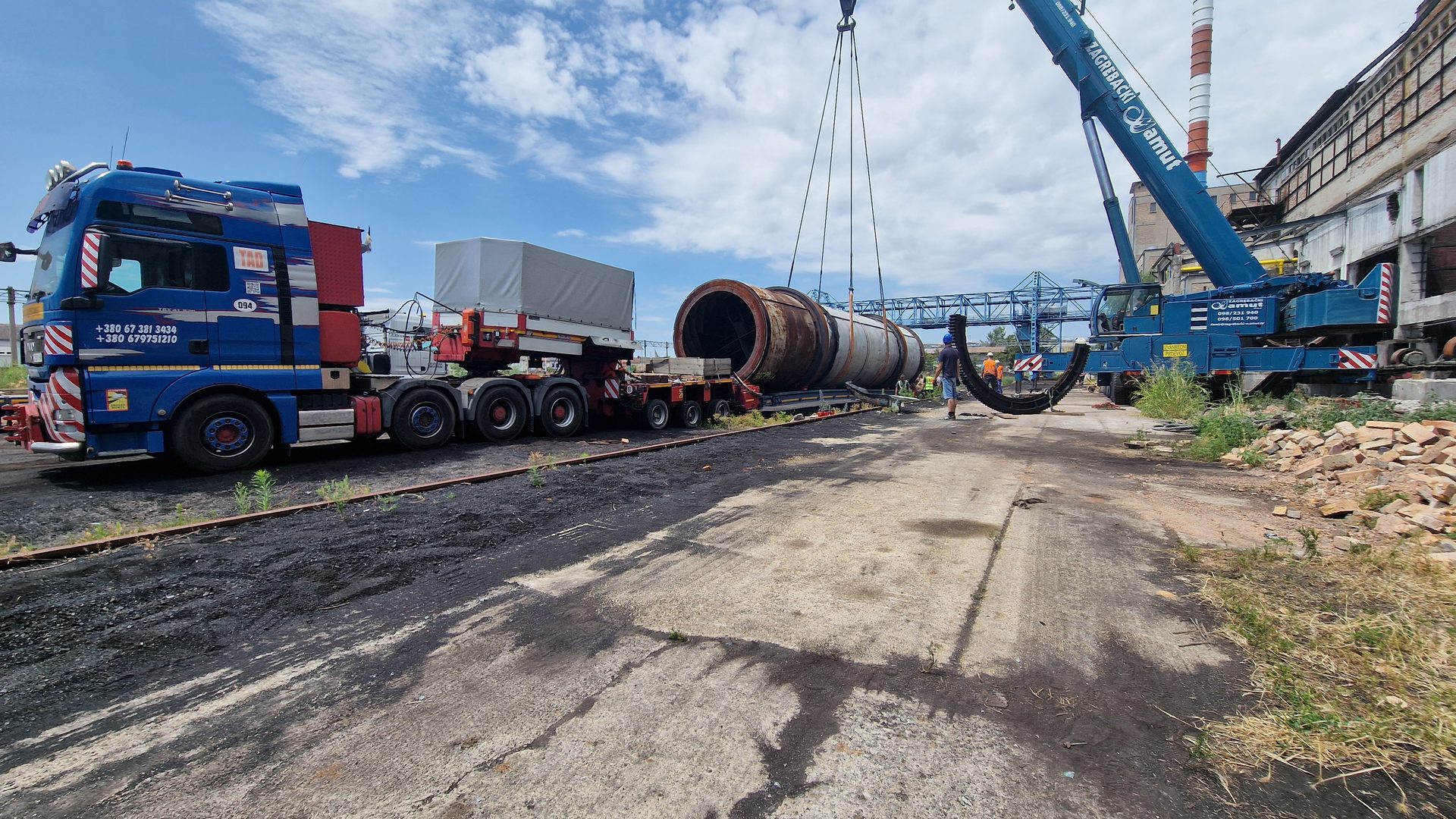
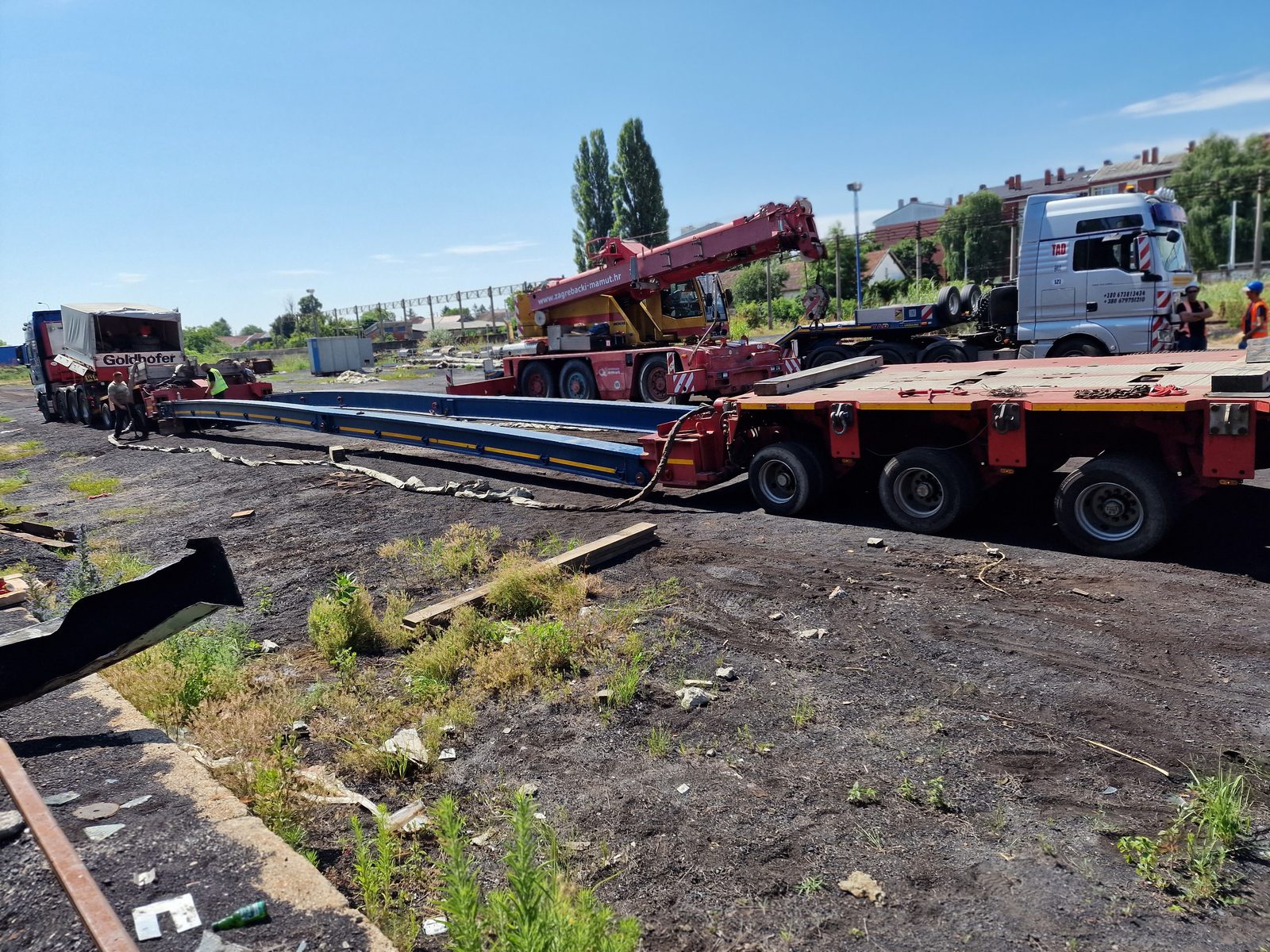
We work with heavy and oversized equipment, complex process systems and steel structures that call for special work organisation, engineering calculations and the use of lifting machinery.
Main types of work
- Dismantling of process and energy equipment
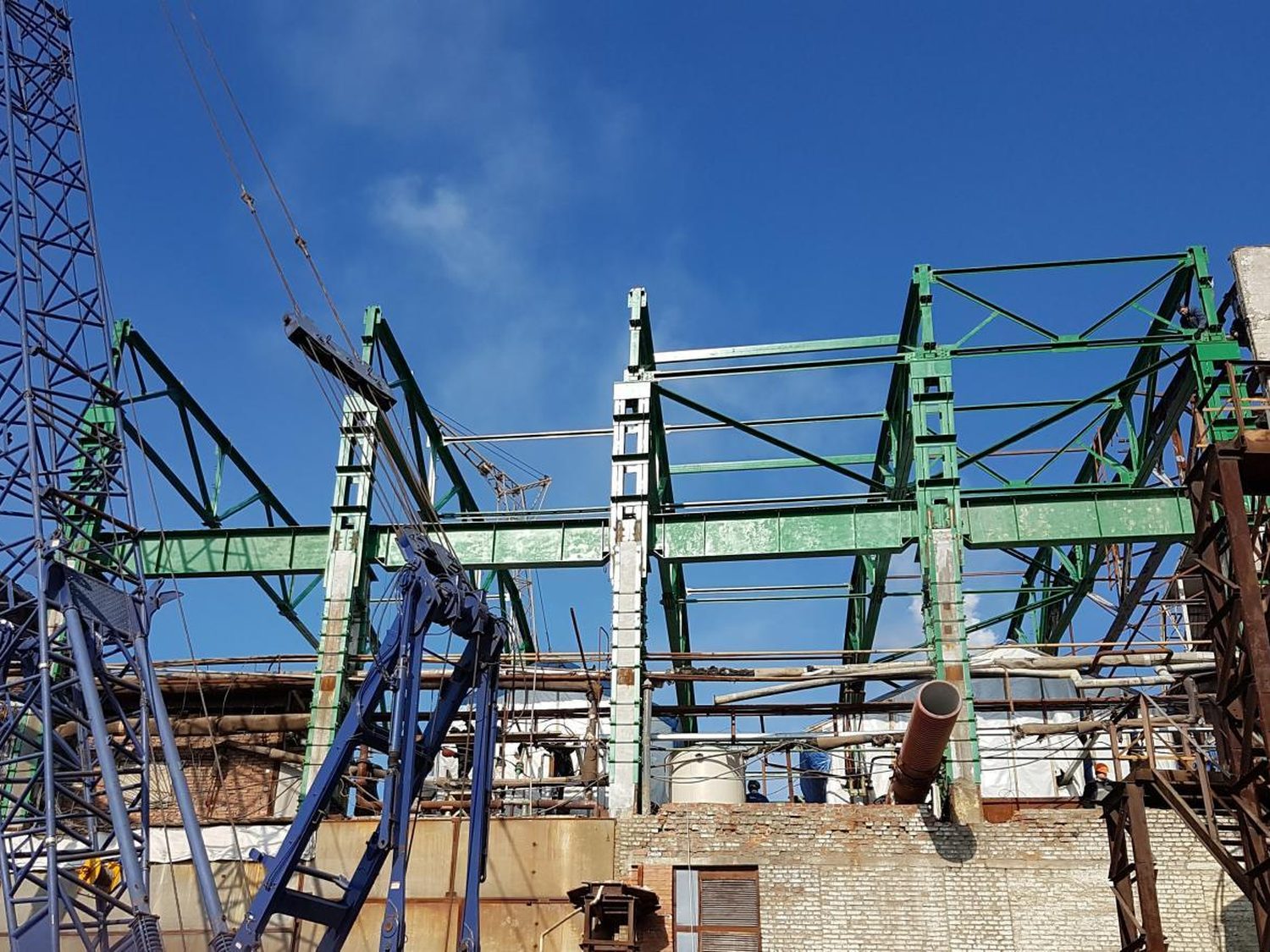
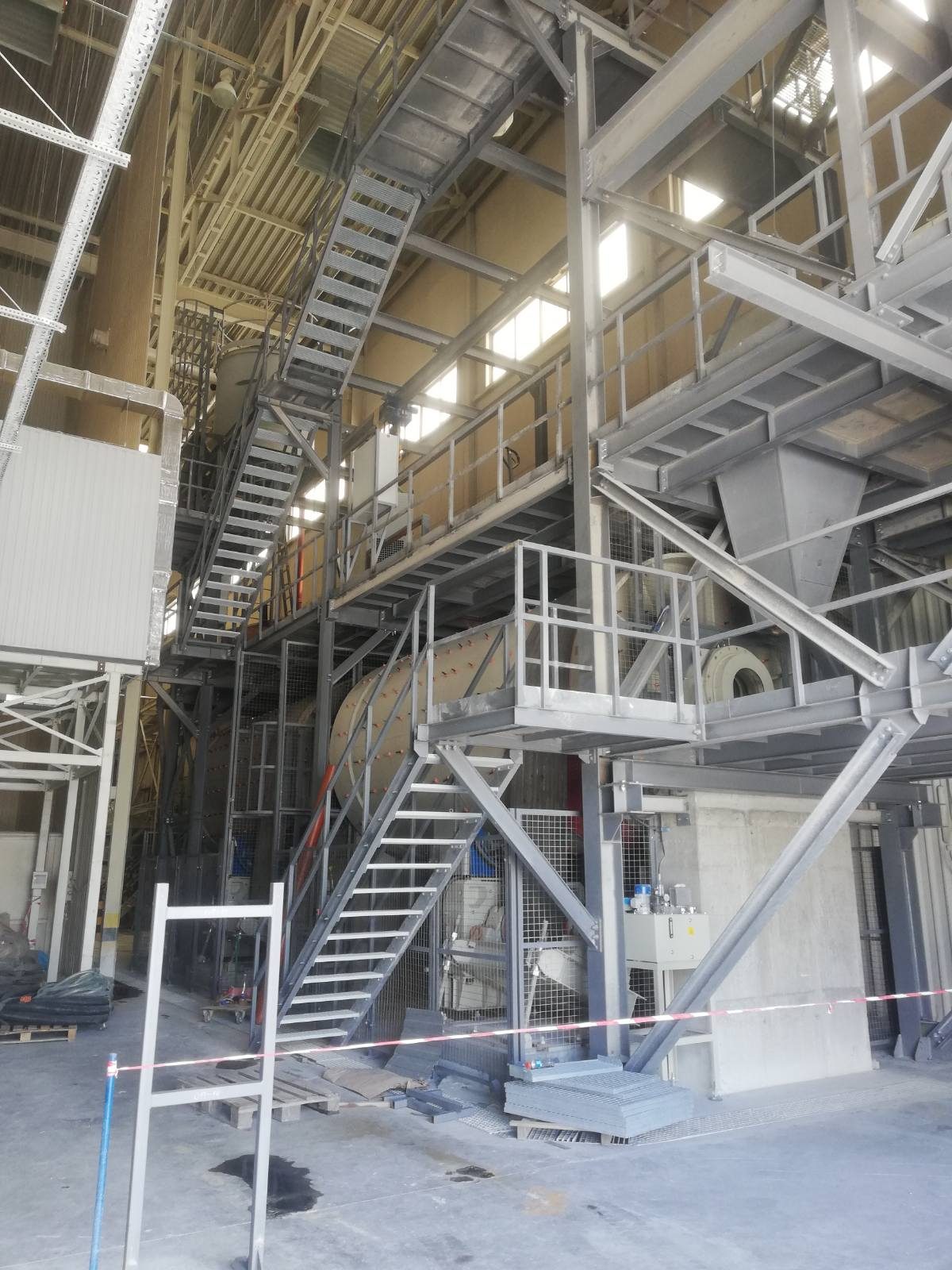
- Dismantling and installation of steel structures, platforms, stairs and railings
- Dismantling of CHP units and gas turbine equipment
- Dismantling of industrial boiler houses, boilers, heat exchangers and pumping equipment
- Dismantling of turbines, generators, transformers and switchboards
- Disconnection of process pipelines, cable networks, automation systems and utilities
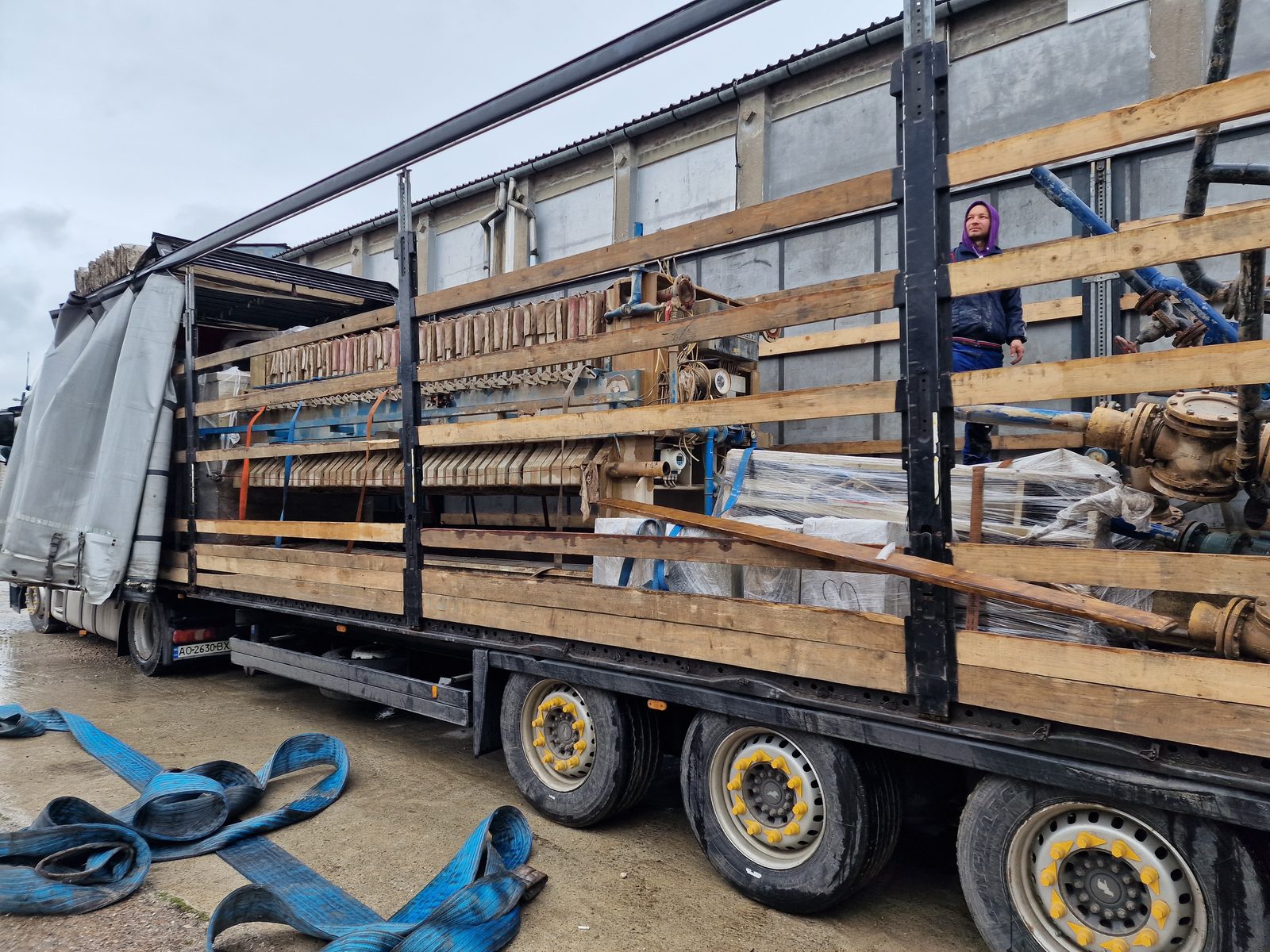
- Packing, marking, loading and preparing equipment for transport
- Relocation of industrial equipment between sites or countries
- Installation of equipment on the new site, alignment, connection and preparation for commissioning
Complexity of the work
Dismantling of industrial equipment is often carried out in confined spaces, on running plants, in rooms with high temperature, noise, vibration or a potential gas hazard. Large and heavy assemblies, equipment with residual energy sources, complex piping and structures under load need particular attention.
Before starting work we analyse the technical documentation and define the dismantling sequence, rigging points, movement routes, and the need for cranes and other special machinery. We organise the safe disconnection of utilities, phased dismantling, and the preservation and transport of the equipment.
For international relocation we additionally take into account the requirements of the country where the work is done, logistics, customs procedures, dimensional restrictions and occupational safety rules.
We carry out the full scope of work — from dismantling on the old site to installation and preparing the equipment for operation at the new facility.
 Sugar plant equipment dismantling, Osijek
Works in an operating plant above running lines
A shutdown of the entire plant for the duration of dismantling is not always possible. At the Cersanit plant we carried out installation and dismantling works below the roof structure, above running production lines: removing and installing equipment assemblies and installing large-section air ducts. The works were carried out from lifts and scaffolding to a schedule agreed with the client; the line beneath the work zone was stopped only for the duration of each lift.
On such sites we carry out as much of the work as possible at floor level: sections and assemblies are pre-assembled in the building so that only fixings and joints remain to be completed at height. This reduces the duration of work above the lines, during which no personnel are permitted beneath the work zone.
Work at height is performed by our own crews holding a permit for work at height; for thermal cutting we hold a permit for work with oxy-fuel equipment.
 Sugar plant equipment dismantling, Osijek
Dismantling for re-use or by cutting
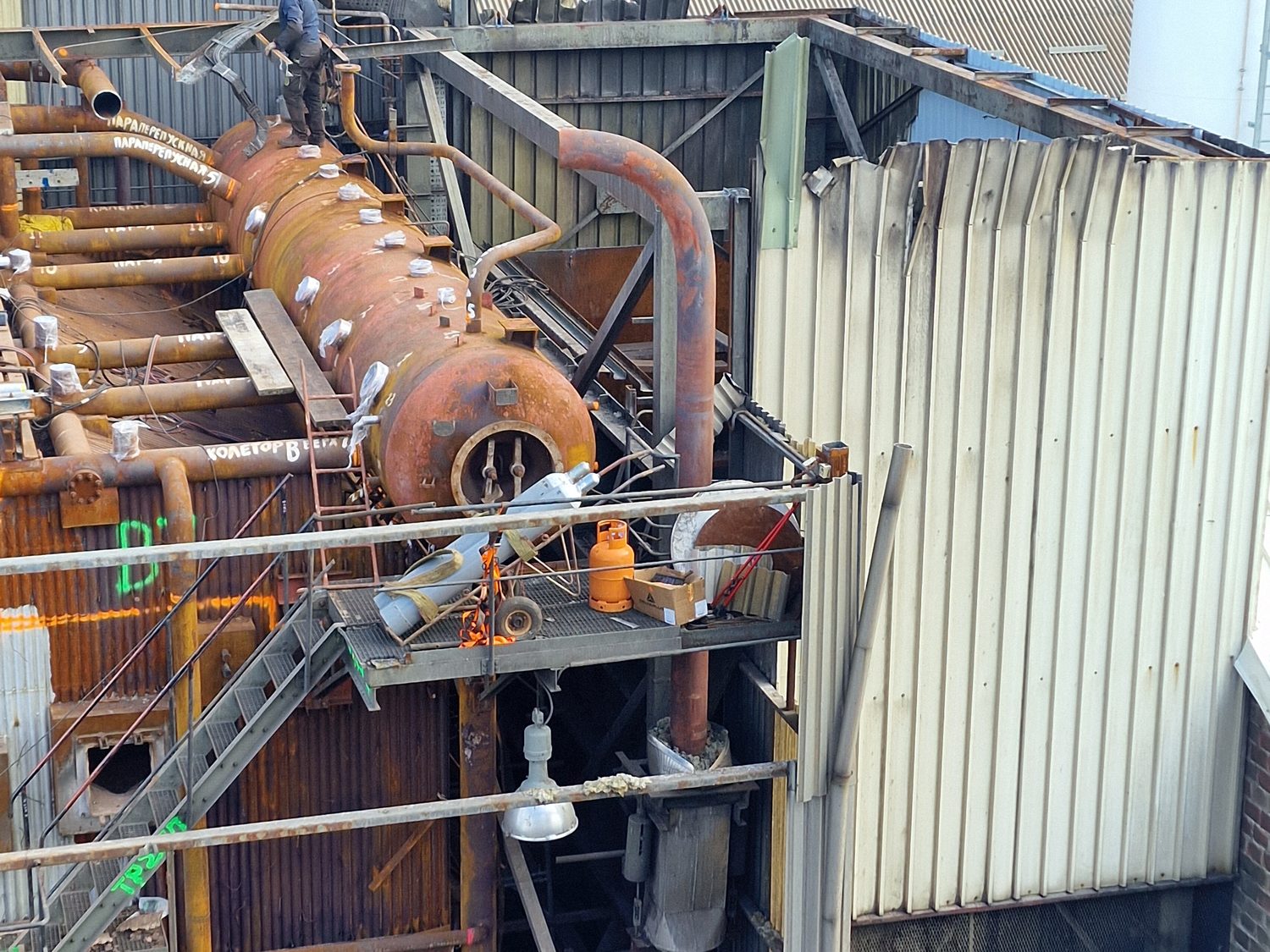
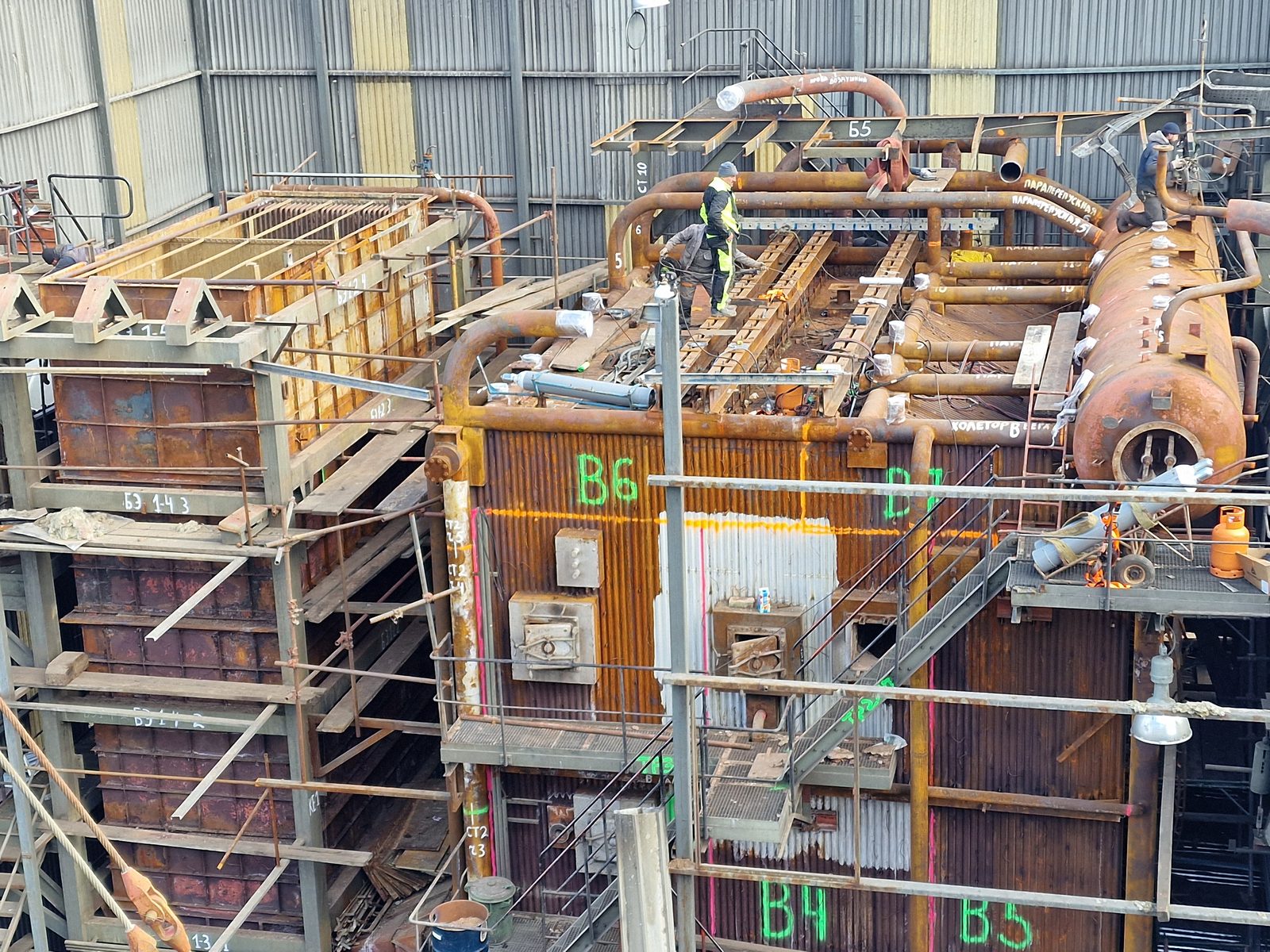
The dismantling method depends on the subsequent use of the equipment. If it is to be reinstalled, it is dismantled for re-use. This was the approach at the sugar plant in Osijek, Croatia: a 450-tonne boiler, rotary drums, PKF filters, platform and gallery steelwork were dismantled level by level, and each block was marked (B4, B5, B6) to ensure accurate positioning of the assemblies during reinstallation.
Where the equipment and structures are not intended for re-use, we cut them into sections to suit transport dimensions and sort the metal on site. We do not purchase scrap metal; it remains the property of the client. Cutting is technically simpler but rules out re-use of the equipment, so the dismantling method is fixed in the technical brief before the crew mobilises.
Dismantling for re-use is carried out in the following sequence:
- Dividing the equipment into installation blocks and numbering every block
- Disconnecting utilities and removing the piping
- Dismantling level by level, lifting large assemblies out by crane
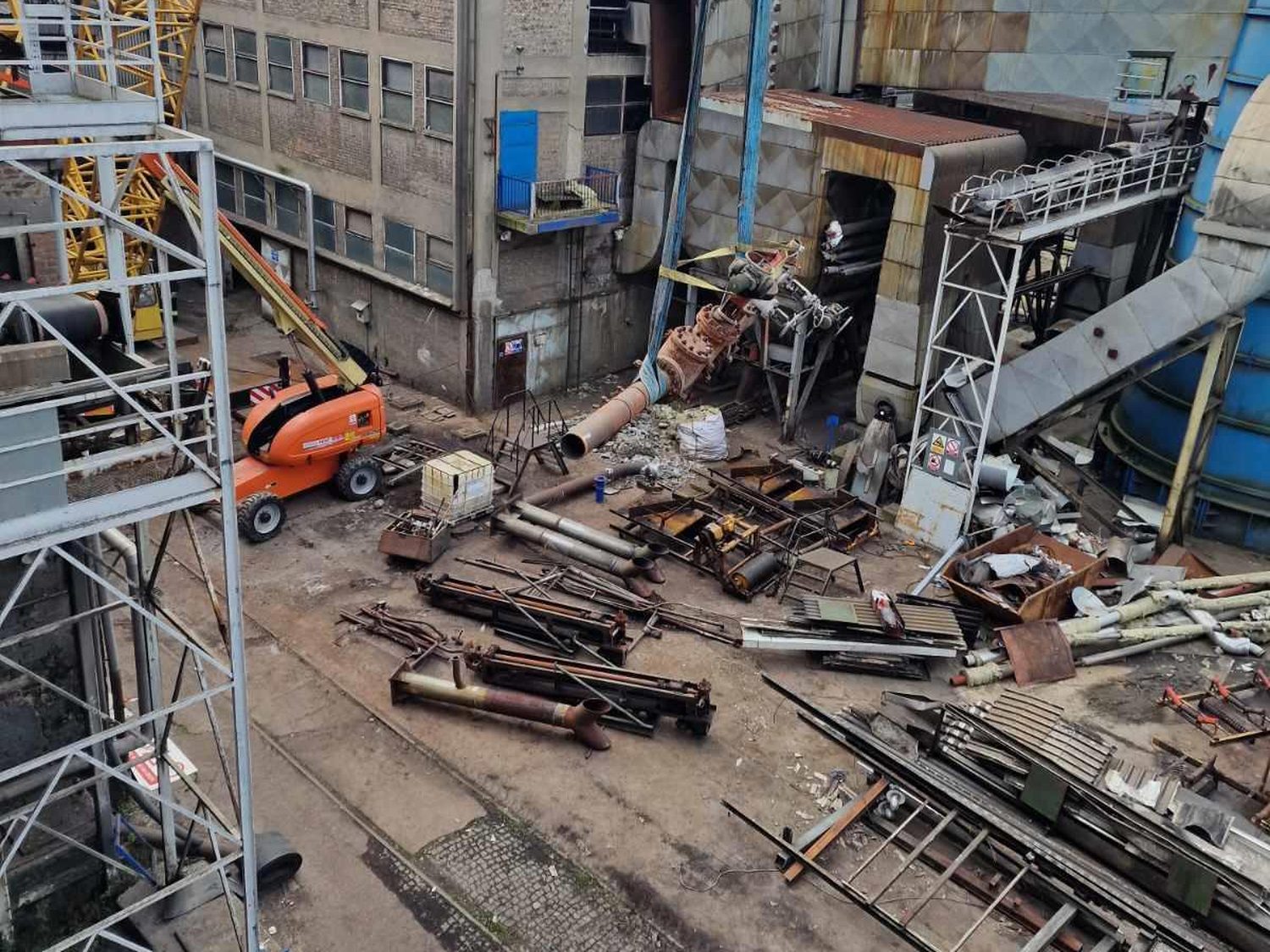
- Storing, grouping and packing on site
- Securing on transport and dispatch
 Sugar plant equipment dismantling, Osijek
Installation on the new site
Relocation is completed when the equipment has been installed in its design position, connected and prepared for commissioning. Before installation we study the operating principles of the equipment and its operational requirements, check the layout of the new building and determine the sequence of works. The block marking and removal sequence recorded during dismantling form the basis for installation.
The client’s layout for the new site often requires new foundations, support frames, platforms and stairs. We design the steelwork for these in shop drawings (KMD) for the specific equipment and fabricate it at our own production facility in Zhytomyr. If drawings of the original support structures have not been preserved, we carry out on-site measurements and restore the documentation.
At the final stage we carry out lifting operations, setting on foundations, alignment, site welding and connection of piping, cable networks and automation systems. The facility is handed over to the client ready for commissioning.
 Sugar plant equipment dismantling, Osijek
Design and build
Typical facilities
- 01Running and shut-down industrial plants
- 02Process lines, furnaces, vessels and pipelines
- 03Elevated steel structures: trestles, galleries, chimneys
- 04Reinforced-concrete structures and equipment foundations
- 05Facilities being prepared for reconstruction or re-equipment
- 06Sites in Ukraine and in European countries
How we work
Survey
We analyse the structures and assess load-bearing capacity and risks. We record adjacent equipment in operation and zones excluded from the works.
Method
We develop the safe dismantling methodology: cutting method, bracing scheme and the sequence in which elements are removed.
Dismantling
We dismantle the structure stage by stage, checking stability at every step, including work at height and thermal cutting.
Logistics
We transport the dismantled equipment and prepare it for disposal or for reinstallation on a new site.
From the portfolio
Osijek, CroatiaSugar plant equipment dismantling, Osijek
Dismantling of a sugar plant’s process equipment intact for re-erection on another site.
 Ukraine
Recovering the drawings for existing steelwork
Surveying existing steelwork, recovering the lost design documents and making new structures for the same equipment.
Frequently asked questions
How much does dismantling cost?
The exact price is calculated by a manager after a survey or on the basis of existing drawings. It depends on the complexity of the structure, the working height, the cutting method, the equipment required, logistics and the schedule. The price is determined on the basis of the estimate. Where access for a survey is not available, the estimate is prepared from drawings and photographs with an appropriate contingency.
How long do the works take?
The schedule depends on the scope and the current load on the crews, and on a running plant also on the shutdown window. To name a date we clarify the facility’s parameters and the access conditions on site. For facilities in Europe, crew and machinery logistics add to the schedule, and we build that in from the start.
Do you work in Europe?
Yes, dismantling is one of the lines of work we carry out both in Ukraine and in European countries. Crew mobilisation and logistics are agreed for each site separately. Permits, paperwork and health and safety requirements are clarified before the crew travels.
Can equipment be dismantled without stopping production?
In some cases, yes; this is determined during the survey. We assess which adjacent equipment remains in operation and develop the work method and hazardous zone boundaries for that mode. If the works cannot be carried out safely without a shutdown, we inform the client. Where the equipment is to be reinstalled at a new location, the removal sequence is set with subsequent reassembly in mind.
Send a request
Send a description of the task or the drawings and we will prepare a technical solution and a cost calculation.
Cost estimate for the works
Send us drawings or a technical specification and we will prepare a technical solution and a cost estimate.