Biogas plants
Energy from agricultural and food waste
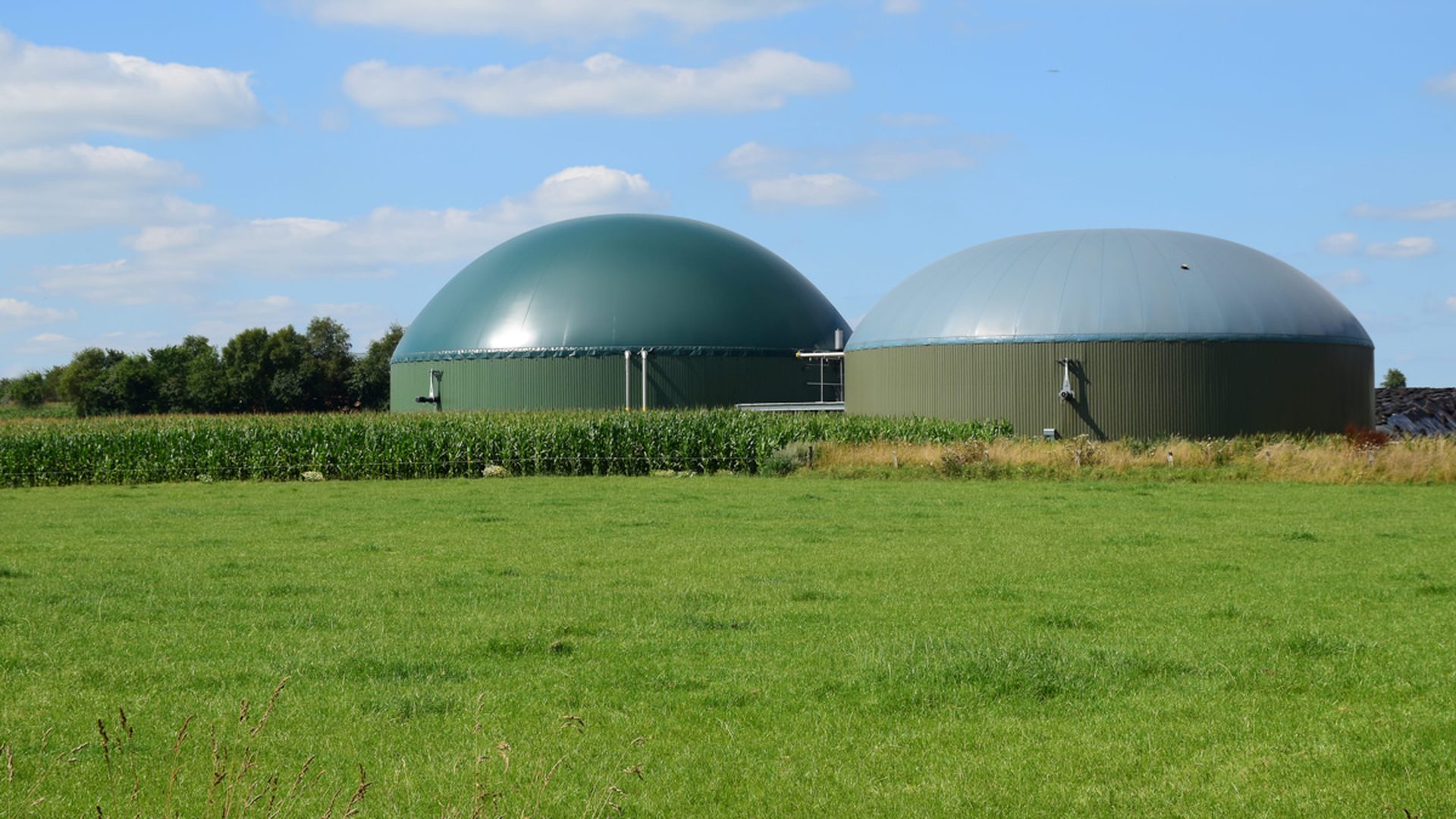
What the service includes
We design and build biogas plants for sugar factories, distilleries and breweries, cattle and pig farms, poultry farms, dairies and waste processing facilities. The feedstock is converted into biogas and biomethane for sale.
A biogas plant project begins with an assessment of the feedstock. A comprehensive audit of the feedstock base establishes the actual volume of the company’s waste and its stability throughout the year, which determines the plant’s capacity and payback period. This is followed by a financial and economic calculation: the cost of the project and the period for return on investment.
We then prepare the permitting documentation and design, manufacture and supply the equipment, and carry out construction and commissioning with training for the client’s staff.
After start-up we provide service support for the plant.
A biogas plant is a continuous-process facility, so the construction package is designed with maintenance in mind: access for machinery, feedstock storage areas, foundations for digesters and pipework, and staff facilities. We carry out these works with our own resources, together with the site steelwork. Training of the client’s staff is a separate stage: the plant’s efficiency depends on the staff taking part in commissioning. We therefore hand over the facility together with its operating modes, procedures and service contacts, and agree the scope of further support once the plant reaches its operating mode. The timing and scope of each stage are fixed in the brief before works begin.
- Turnkey biogas plants for agricultural and food production
- Full audit of the feedstock base
- Financial and economic calculation of the project
- Permitting and design
- Manufacture and supply of equipment
- Construction, commissioning and staff training
- Service support for the facility
- Feedstock storage areas and access for machinery
- Digester foundations and pipework
- Site steelwork and the construction package
Industries suited to biogas plants
A plant is viable where waste is generated daily and in predictable volumes: instead of a disposal cost, it is converted into gas, heat and electricity for the site’s own needs, or into biomethane for sale. An additional product is the digestate, which is used on the fields as fertiliser.
- Sugar factories — beet pulp and molasses
- Distilleries and breweries — stillage and spent grain
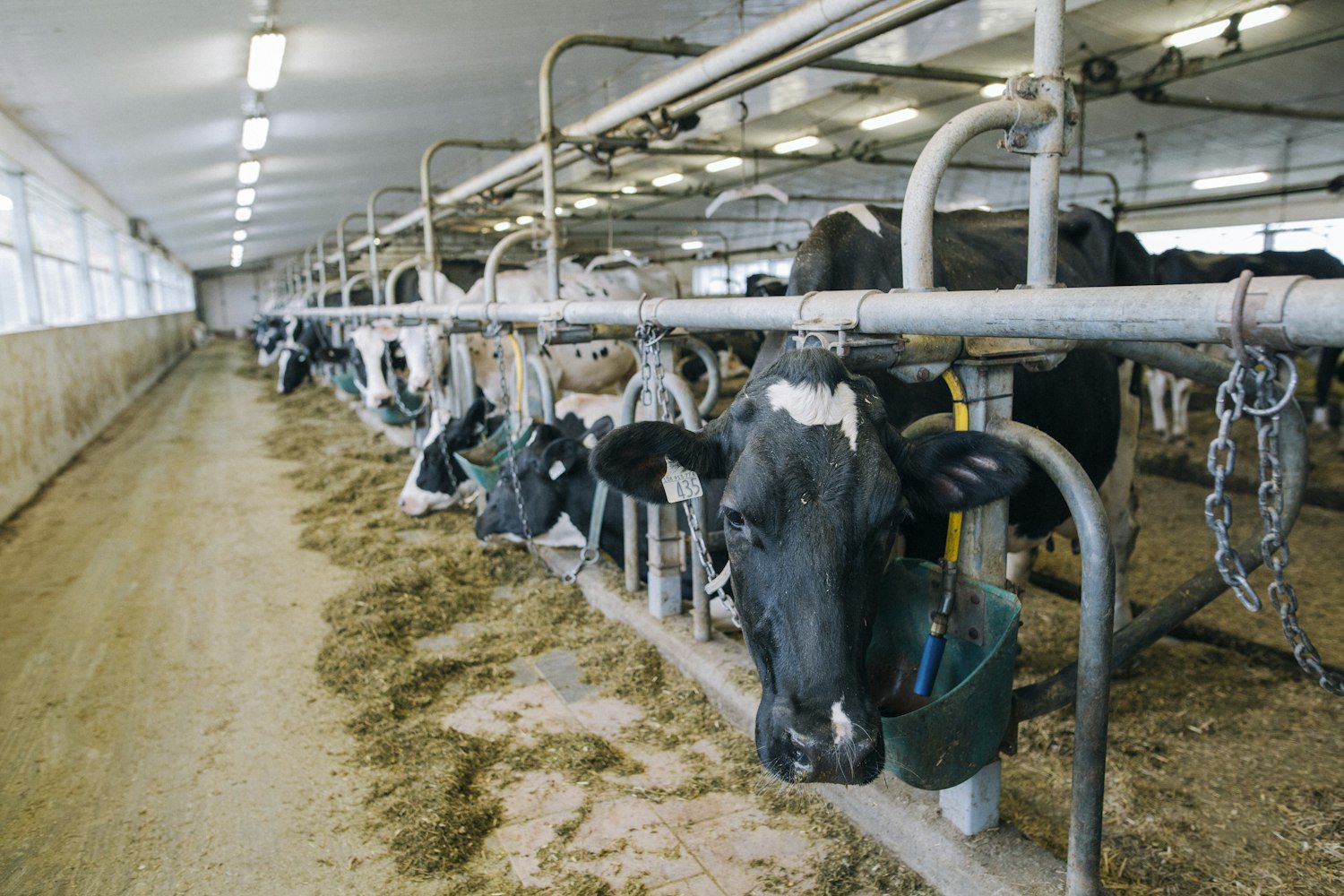
- Cattle and pig farms — manure and slurry
- Poultry farms — litter
- Dairies — whey and processing effluent
- Waste processing plants — the organic fraction of waste
Feedstock audit and economics
Before design begins, we assess the feedstock: the actual volume of the company’s waste and its stability throughout the year. A seasonal factory without a buffer stock and a farm with a stable herd require different plants, and in some cases a plant is not viable.
From the audit data we prepare a financial and economic calculation: investment, the plant’s own energy consumption and income from gas or electricity. If the project does not pay back within a reasonable period, we inform the client before design begins.
Civil works for a biogas complex
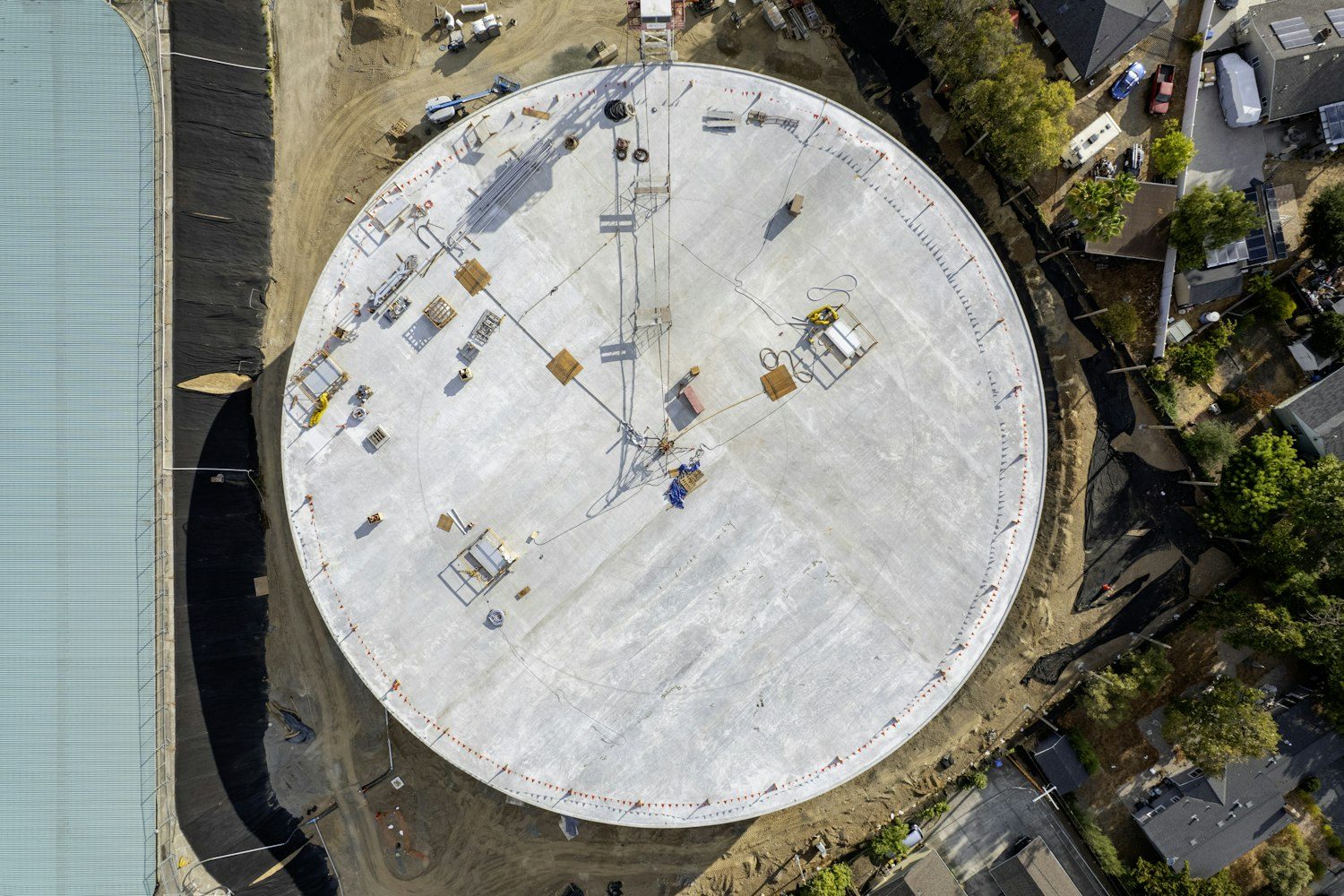
Digesters, gas holders and pipework stand on foundations that continuously carry a large mass of liquid in an aggressive environment, so we design and construct the foundations with our own resources, with waterproofing suited to this regime. Adjacent to them are feedstock reception and storage areas, access roads for heavy machinery, and rooms for staff and equipment.
The steelwork of the complex — pipe racks, maintenance platforms, stairs, canopies, supports — is fabricated at our own facility and erected by our own crews.
Start-up, training, support
Commissioning of a biogas plant is carried out in stages: the digester is brought to its operating mode gradually, with temperature, loading and gas composition monitored. During this period our engineers work on site and the client’s staff are trained in process control.
We hand over the facility with operating mode charts and maintenance procedures. The scope of further service is agreed once the plant reaches its operating mode — from scheduled inspections to permanent support.
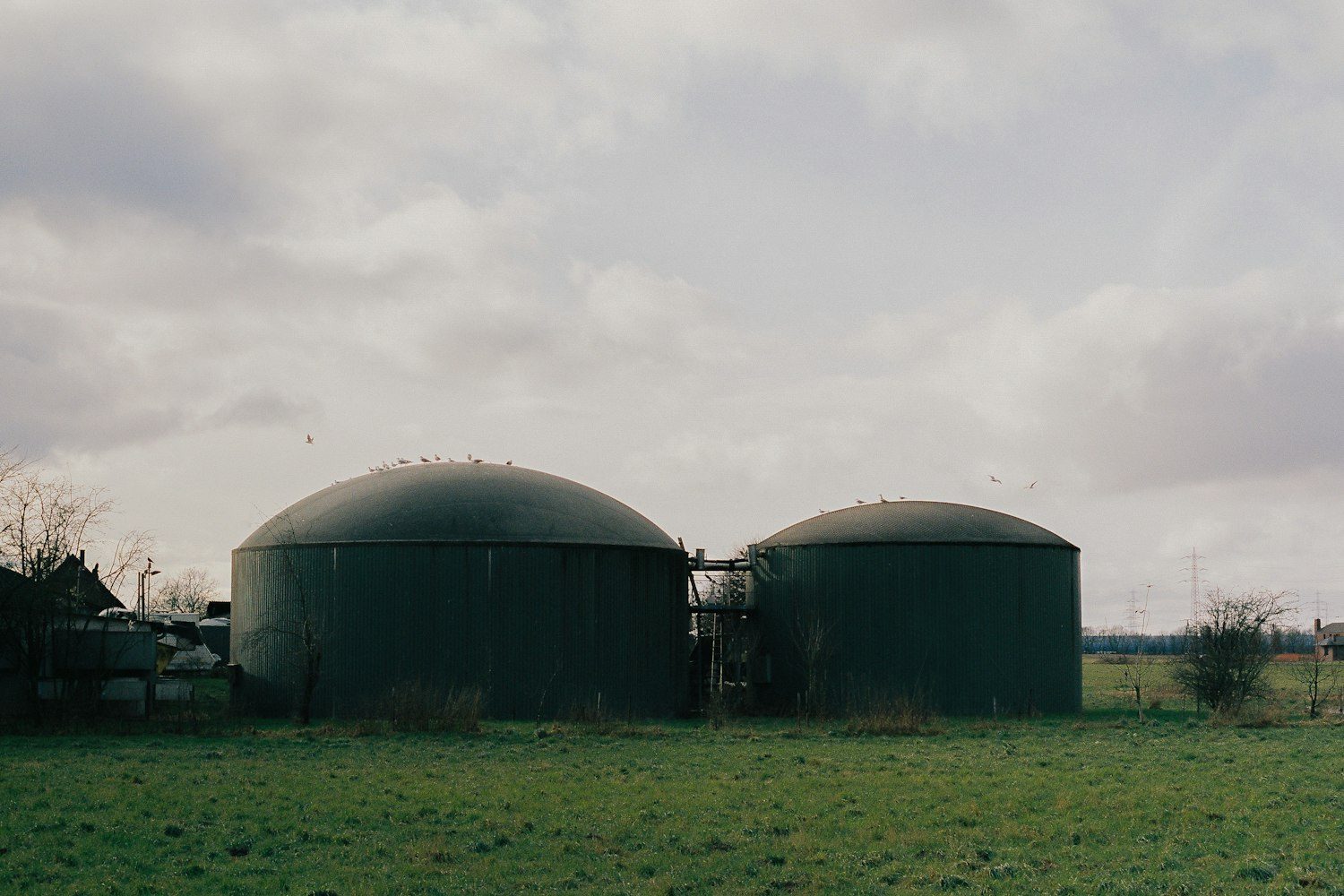
Example solutions
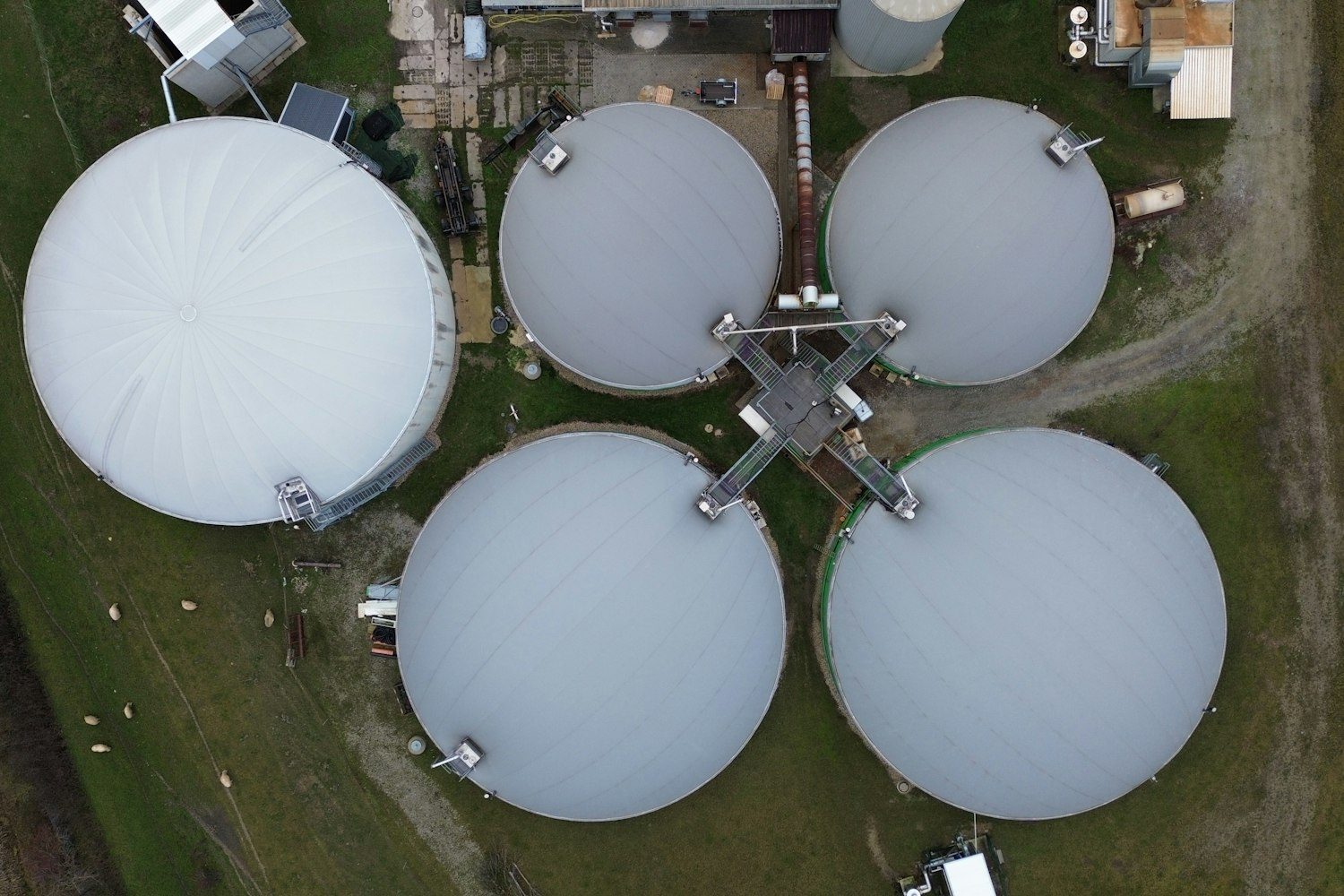
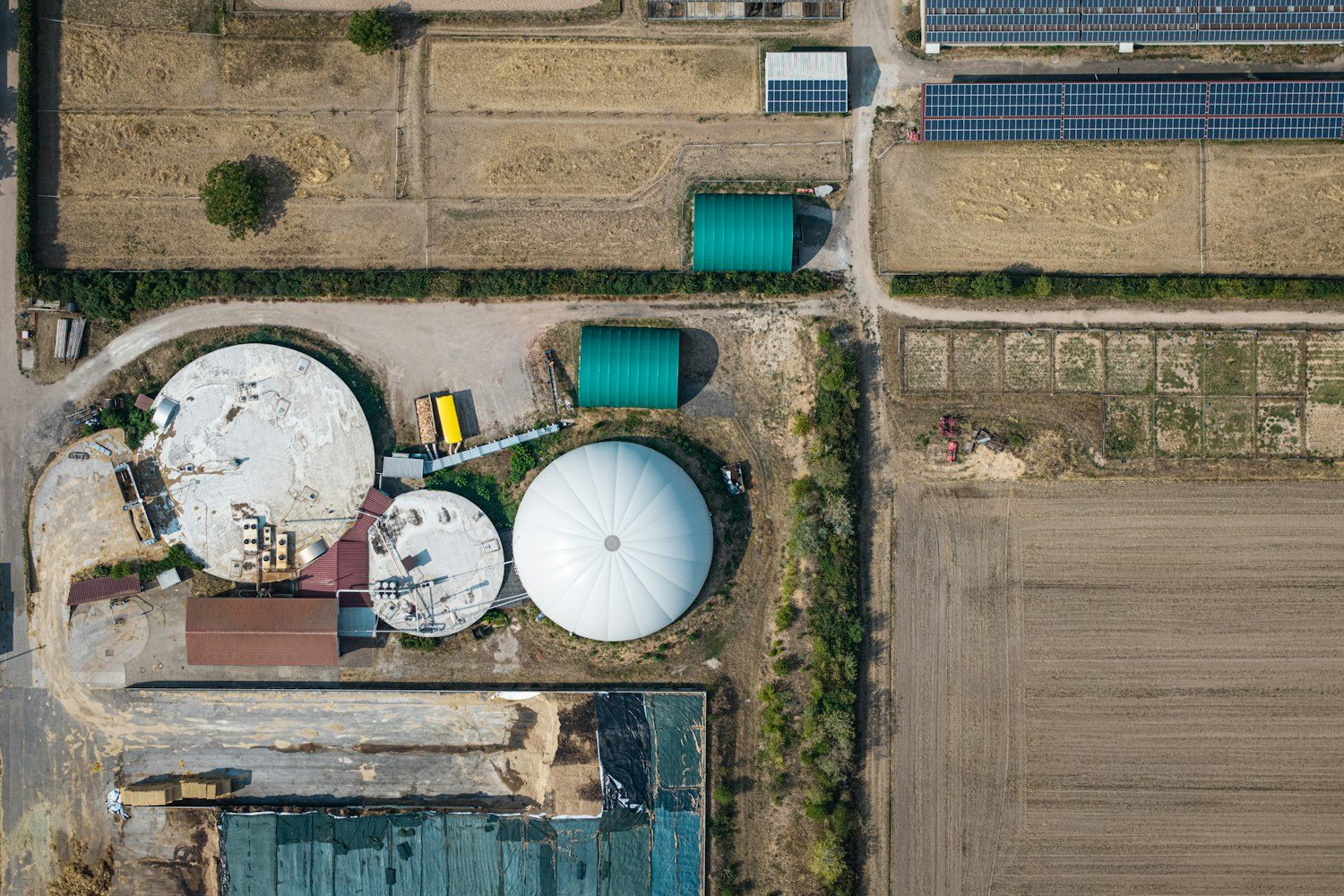
Typical facilities
- 01Sugar plants: pulp and molasses
- 02Distilleries and breweries: stillage and brewer’s grains
- 03Cattle farms and pig complexes: manure and slurry
- 04Poultry farms: litter
- 05Dairy plants: whey and processing effluent
- 06Waste processing plants: the organic fraction of the waste
How we work
Feedstock audit
Assessment of volumes and types of feedstock.
Economics
Financial and economic project calculation.
Permits & design
Permitting documentation and engineering.
Construction
Equipment manufacturing, installation, start-up.
Support
Staff training and service.
Frequently asked questions
How much does a biogas plant cost?
We calculate the exact cost after the feedstock audit and the brief. The price depends on the volume and type of feedstock, the plant capacity, the energy use scheme, the condition of the site and the scope of construction works. Prices are quoted only on the basis of a calculation.
Will our feedstock be enough?
This is established by the audit, the first stage of the works. We calculate the actual volume of waste, its stability throughout the year and the potential gas yield, then assess additional feedstock within logistical reach. If the feedstock is insufficient for a plant that pays back, this is stated in the audit results.
How long from audit to start-up?
The time is made up of audit and calculation, permitting, design, manufacture and delivery of equipment, construction and commissioning. Each stage depends on the site, the chosen equipment and the speed of approvals, so we name the date after the brief and fix it in the schedule.
Do you build the plant turnkey?
Yes. We carry out the full cycle — from the feedstock audit to staff training and service — and are responsible for the result as a single contractor. Where part of the works has already been completed or is being carried out by another contractor, we undertake individual stages: for example, the construction package to an existing design.
Who runs the plant after start-up?
Day-to-day operation is carried out by the client’s trained staff. The company provides service support: scheduled inspections, advice on operating modes and response to abnormal situations. The scope and format of support are agreed once the plant reaches its operating mode.
Send a request
Send a description of the task or the drawings and we will prepare a technical solution and a cost calculation.
Cost estimate for the works
Send us drawings or a technical specification and we will prepare a technical solution and a cost estimate.