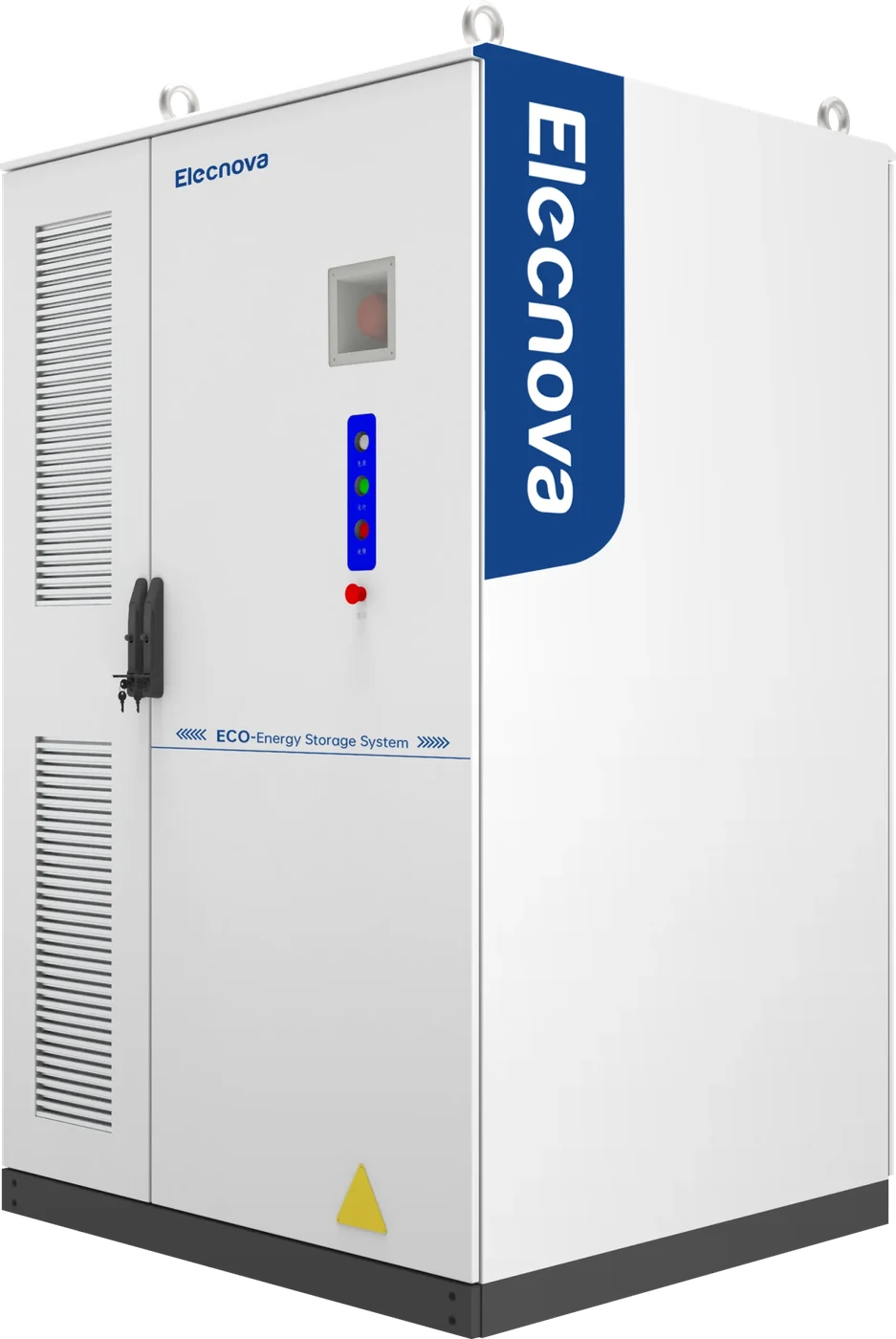

Storage cabinets and containerised energy storage systems.
- 100–5,015 kWh
- capacity per unit
- up to 1,000 kW
- power per unit
- 20 ms
- switchover via STS
Battery systems for energy storage and management
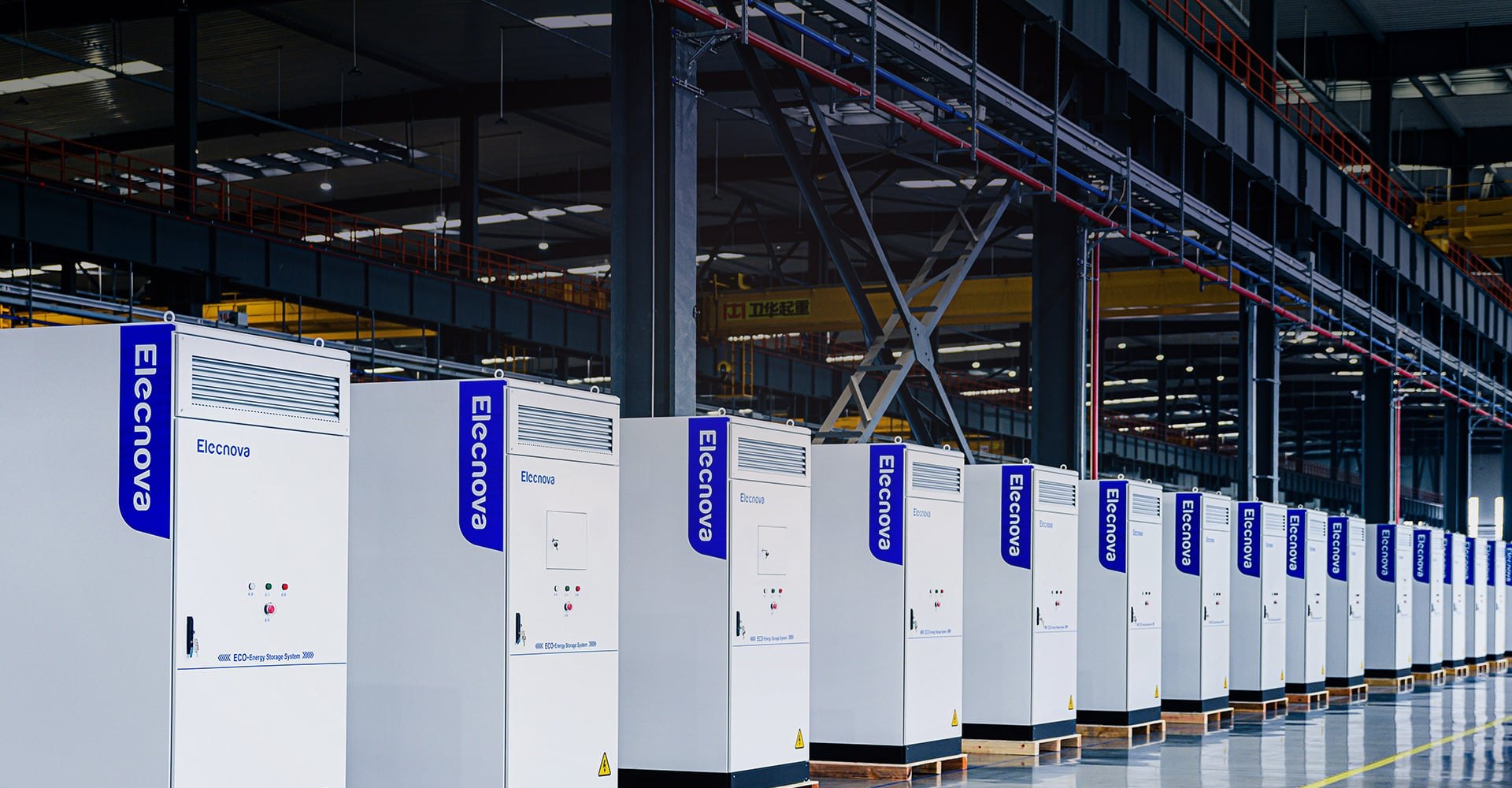
Electrical energy storage systems (ESS, BESS — Battery Energy Storage System) are modern technological solutions designed for the accumulation, storage and subsequent use of electricity. They play an important role in the development of Ukraine’s energy infrastructure, ensuring stable power supply, improved energy efficiency and the integration of renewable energy sources.
With the growing need for energy independence, energy storage systems are becoming a relevant solution for industrial enterprises, commercial facilities, energy companies, solar and wind power plants, and critical infrastructure facilities.
The use of BESS makes it possible to store electricity during periods of surplus or low cost and to use it when there is increased demand for electrical power.
An energy storage system (ESS) is a set of equipment that provides for the accumulation of electrical energy, its storage and its subsequent transfer to the electricity grid or directly to the consumer.
The main elements of such systems are batteries, which operate together with power converters and management and control systems.
A typical BESS consists of the following components:
All components operate as a single system, ensuring efficient and controlled use of the stored electricity.
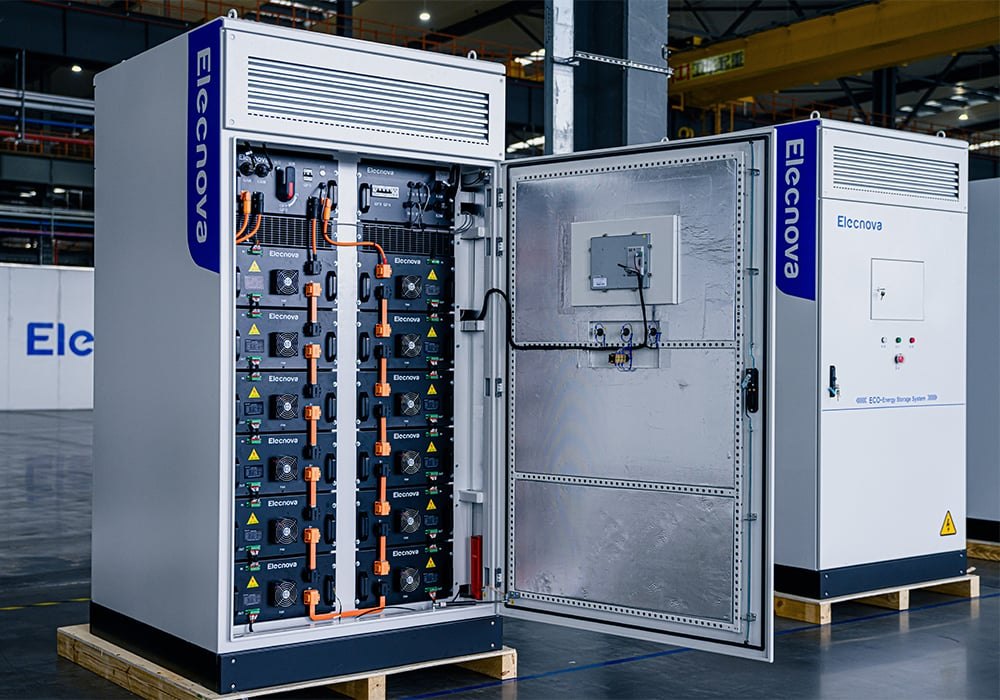
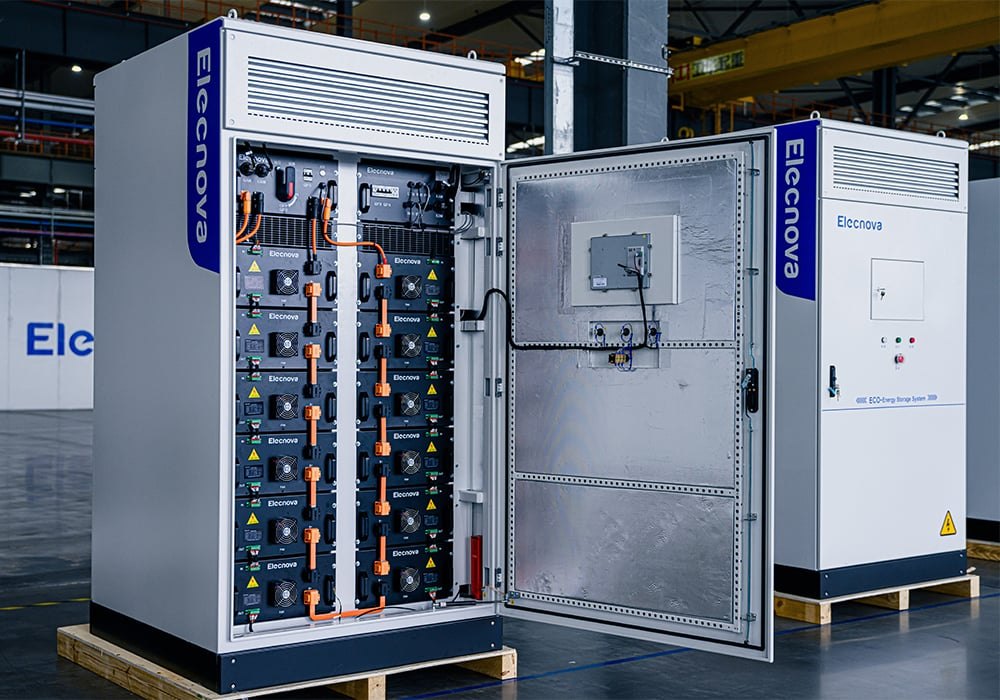
A battery energy storage system (BESS) is a cabinet or container with batteries, a power converter and a control system. It charges when energy is available and cheaper, and supplies the site when the grid is unavailable or energy is more expensive.
Grid outages stop equipment, exceeding the contracted capacity leads to surcharges, and energy at peak hours costs more.
The storage system holds electricity and releases it to the site when needed: during a grid outage, at peak hours or in the evening after the solar plant stops generating.
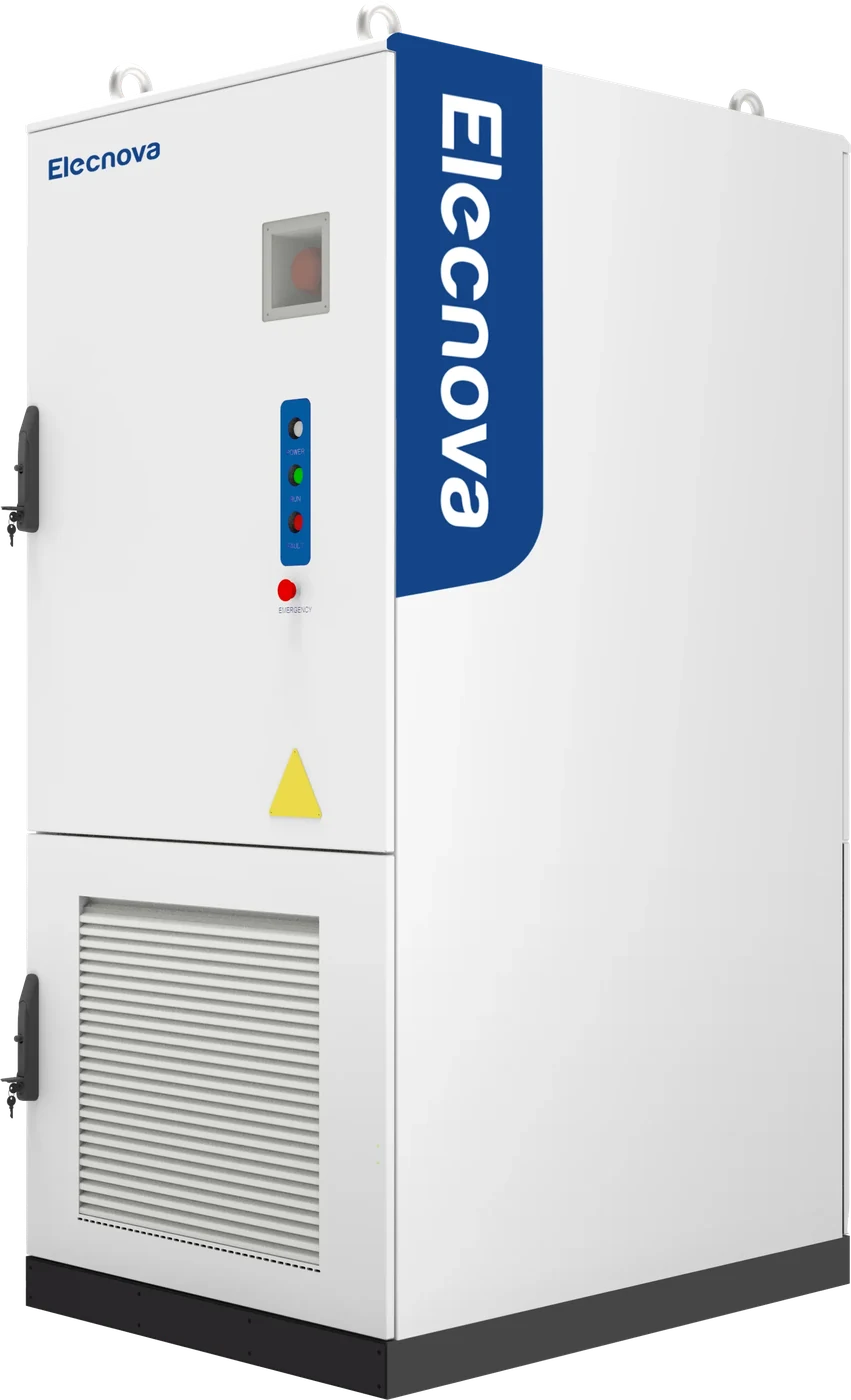
The cabinet charges from the grid during low-tariff hours or from the solar plant during the day.
Energy is stored in lithium iron phosphate (LFP) batteries. The control system monitors charge, temperature, cooling and fire suppression.
The built-in converter turns the batteries’ direct current into 400 V alternating current — the voltage of the site network.
At peak hours or during a grid outage the cabinet supplies the site equipment. Several cabinets are combined into one system through an STS cabinet.
We supply, install and connect energy storage systems from two manufacturers.
Storage cabinets and containerised energy storage systems.

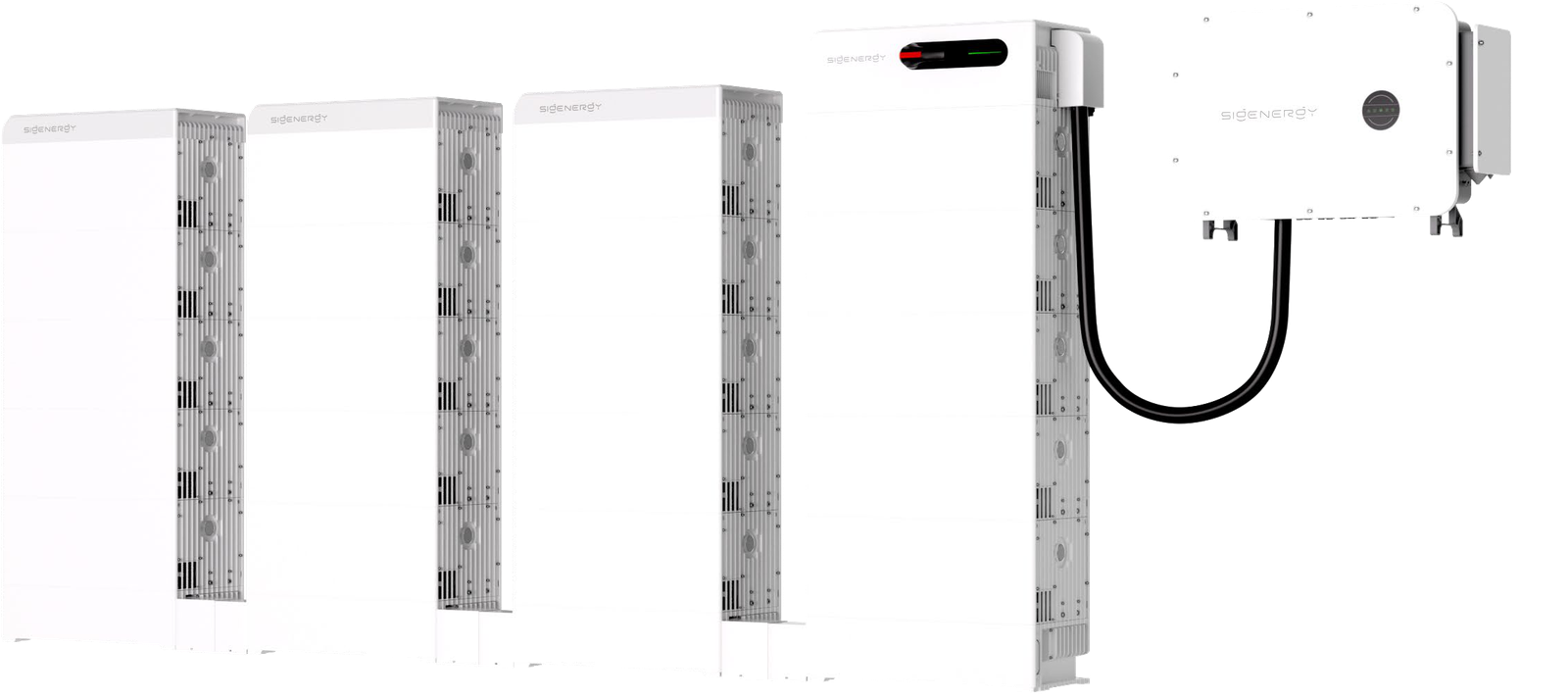
SigenStack modular storage with a hybrid inverter.
The systems differ in scale, connection and installation. The final choice is determined by a calculation based on the site’s consumption profile.
The implementation of energy storage systems enables enterprises and energy facilities to obtain a number of technical and economic advantages:
Electricity storage systems have a wide range of applications and can be used both at individual facilities and on the scale of energy infrastructure.
For manufacturing enterprises, energy storage systems help to optimise electricity consumption schedules, reduce peak loads and provide backup power for critical equipment.
Shopping centres, business centres, logistics complexes, warehouses and office buildings can use BESS to optimise electricity costs and improve the reliability of power supply.
Integrating storage systems with renewable energy sources makes it possible to store surplus electricity and use it during periods of reduced generation or increased demand.
BESS can provide backup power for hospitals, water supply facilities, telecommunications infrastructure and other facilities for which continuity of power supply is of particular importance.
Industrial energy storage systems can be used for balancing the power system, power regulation and participation in market mechanisms, subject to the relevant technical capabilities and permits.
Depending on their purpose, power and operating conditions, energy storage systems are divided into several main categories.
The choice of the optimal system depends on the required power, storage capacity, operating mode, connection specifics and the economic model of electricity use.
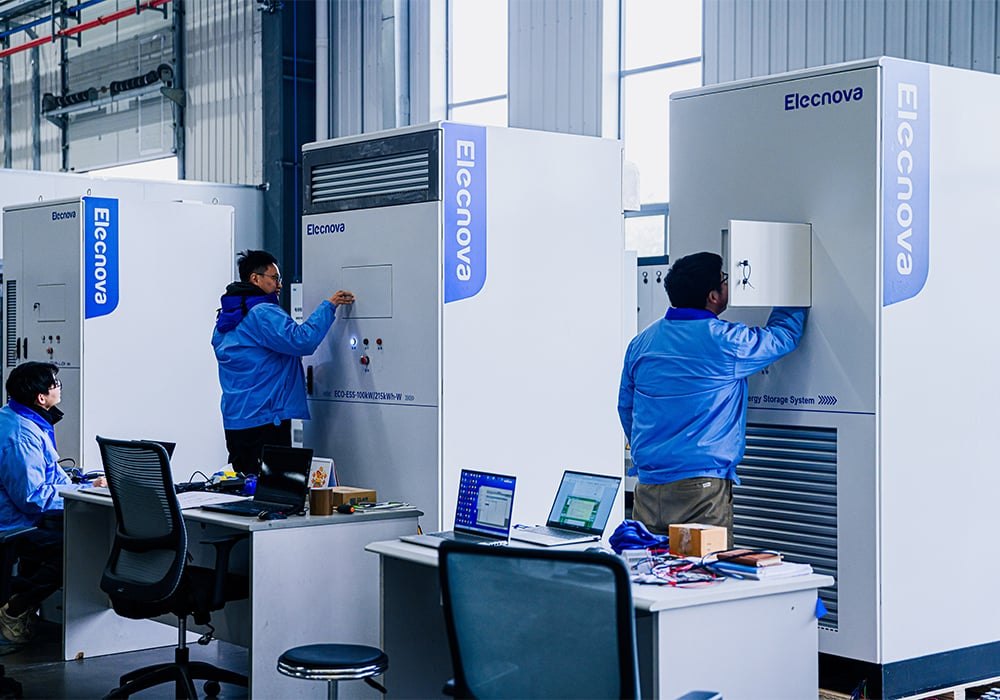
The implementation of electricity storage systems requires an integrated engineering approach. At the initial stage, the facility’s energy consumption is analysed, the required system parameters are determined and a technical solution is developed.
The main stages of project implementation:
One of the most promising applications of BESS is integration with solar and wind power plants.
Renewable electricity generation depends on weather conditions and the time of day. Storage systems make it possible to store surplus electricity generated and to use it during periods of insufficient generation.
Combining solar power plants with BESS makes it possible to:
Such solutions are particularly relevant for the development of distributed generation and for improving the resilience of Ukraine’s energy infrastructure.
Safety is one of the key aspects of the design and operation of electricity storage systems.
Modern BESS installations are equipped with a set of control and protection devices that monitor temperature, voltage, current, the condition of battery cells and equipment operating parameters.
The design takes into account the requirements for ventilation and cooling, fire protection, electrical safety, equipment placement and emergency shutdown.
Correct equipment selection, professional installation, configuration of control systems and regular maintenance are essential conditions for the reliable operation of an energy storage system.
The development of electrical energy storage systems is an important area in the modernisation of Ukraine’s energy sector. Energy storage systems help to improve the stability of power supply, make more efficient use of renewable energy sources and optimise electricity costs.
The implementation of modern BESS opens up new opportunities for industrial enterprises, commercial facilities, energy companies and investors.
A well-designed energy storage system is a technological solution that contributes to greater energy efficiency, flexibility and reliability of Ukraine’s energy infrastructure.
The four main modes in which storage works on a site every day.
When consumption exceeds the contracted capacity, the battery covers the difference.
The battery charges at night at the low tariff and releases energy at peak hours.
The solar plant’s daytime surplus is stored and used in the evening and at night.
During a grid outage critical equipment automatically switches to supply from the storage system.
A manager determines the exact price after sizing capacity and power for the consumption profile. It depends on which processes require backup and for how long, on the location and on the extent of the construction works. Indicative figures are not provided before the calculation; consumption data are required for it.
Capacity is determined by calculation. It requires a list of equipment that cannot be stopped, the desired duration of autonomous operation and the actual consumption schedule. Power and capacity are calculated separately, and we show how the cost changes as the list of critical loads is reduced.
Yes. The storage also works from the grid: it charges while supply is available and discharges during an outage or at peak. A solar plant adds an on-site charging source but is a separate decision; if it is planned for later, this is taken into account in the scheme.
A full shutdown is not required. Modules, inverters and cable routes are installed without an outage. A short interruption is needed only for the switchover in the switchgear, in a period agreed with the client’s process engineers. The switching sequence is fixed in the work plan.
Send a description of the task or the drawings and we will prepare a technical solution and a cost calculation.
Send us drawings or a technical specification and we will prepare a technical solution and a cost estimate.