Cogeneration units

Simultaneous power and heat generation

What the service includes

We design, supply and install cogeneration (CHP) units that generate electricity and heat simultaneously. We improve a plant’s energy efficiency and reduce its energy costs.

A cogeneration unit recovers the heat that a conventional generator releases into the atmosphere and directs it to production needs. Unit selection therefore starts with a survey: the volumes of electricity and heat consumption and how evenly they are consumed over the day. A unit selected without these data operates in a non-optimal mode and takes longer to pay back.

Based on the survey we select the type and output of the CHP unit — gas-piston or gas-turbine — together with the heat recovery system. We then carry out installation, connection to the networks, controls and commissioning up to the operating mode.

Service and maintenance after start-up are carried out by our company, without involving another contractor.

We calculate separately how the recovered heat will be used. A unit is most effective where heat demand is constant: a process, drying, heating of production premises. A seasonal demand pattern is identified at the survey stage and taken into account in the payback calculation before operation begins. We also prepare the civil works: the pad or room for the unit, foundations, pipework and cable routes. Work at an operating plant is planned in line with the shutdown schedule so that switchovers do not disrupt the process, and the scope and limits of responsibility are fixed in the brief before work starts. The scope of service and the frequency of planned inspections are agreed once the unit reaches its operating mode.

  • Site survey and sizing of the cogeneration unit
  • Supply of MWM units and FG Wilson generators together with RSE Group
  • Gas-piston and gas-turbine units
  • Heat recovery systems (cogeneration)
  • Installation of the unit and its pipework
  • Connection to the networks and controls
  • Commissioning and ramp-up to the operating mode
  • Service and maintenance
  • Payback calculation from actual consumption
  • Scheduling the works around the plant shutdown

How a cogeneration unit works

A combined heat and power (CHP) unit produces electricity and heat from one fuel. The engine drives a generator, while the heat of the coolant and exhaust gases, which a power plant without heat recovery releases to the atmosphere, goes into the site’s heating network.

43.0%
electrical efficiency
45.4%
thermal efficiency
88.4%
total efficiency

Energy balance of the RSE 1000

How the fuel energy is split at 100, 75 and 50% load, according to RSE for natural gas. A power plant without heat recovery uses 30–40% of the fuel energy.

Load
100%43.0%45.4%
75%41.6%47.1%
50%38.7%49.2%
ElectricityUseful heatLosses

Partner: RSE Group

We supply the units together with RSE Group Ukraine, the official representative of the Czech company RSE s.r.o. RSE has been manufacturing boiler equipment for over 30 years and, jointly with MWM (Caterpillar Energy Solutions), produces cogeneration modules on TCG gas engines. We carry out the civil works, installation, piping and connection ourselves.

0.4–4.5 MW
RSE modular units
88%
total efficiency of RSE modules
Czech Republic
made to EU directives

RSE 1000 unit

A 1,000 kW modular cogeneration unit: an MWM gas genset, a heat recovery boiler and a soundproof container with all systems. The purpose of each part and how they work together are set out below.

rsegroup.com.ua
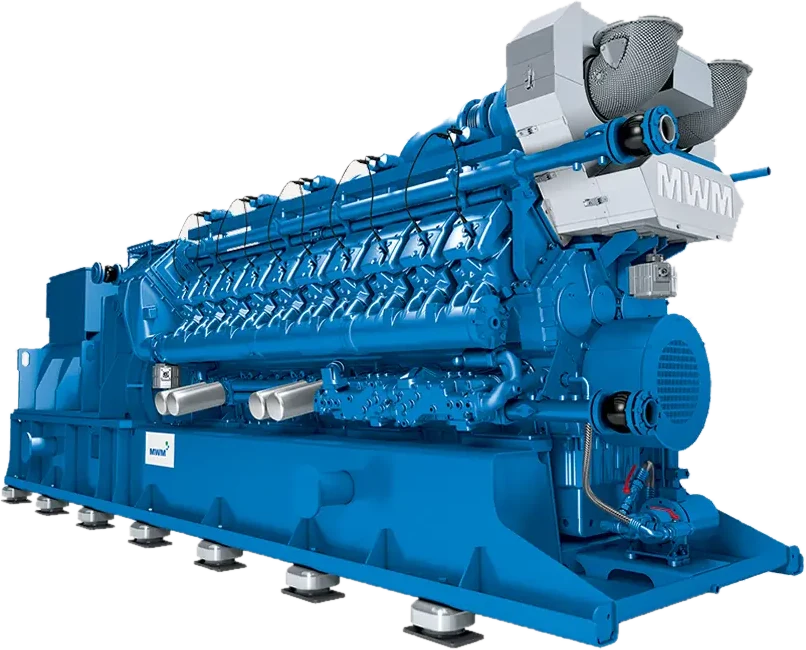
MWM TCG 2020 gas engine
1MWM TCG 2020 V12 · Leroy Somer LSA 50.2

Gas engine genset

The twelve-cylinder MWM TCG 2020 V12 gas engine drives a Leroy-Somer synchronous generator at 400 V, 50 Hz. Engine and generator sit on a common vibration-isolated frame; the engine is controlled by the TEM-EVO system.

  • Operates in parallel with the grid: 1,000 kW electrical output, 43.0% electrical efficiency.
  • TEM-EVO controls combustion and knock in every cylinder and logs more than 600 events for diagnostics.
  • Fuel: natural gas; TCG series engines also run on biogas, associated gas, propane and gas with hydrogen admixture.
1,000 kW
electrical output
43.0%
electrical efficiency
80,000 h
to major overhaul
0.15 g/kWh
oil consumption
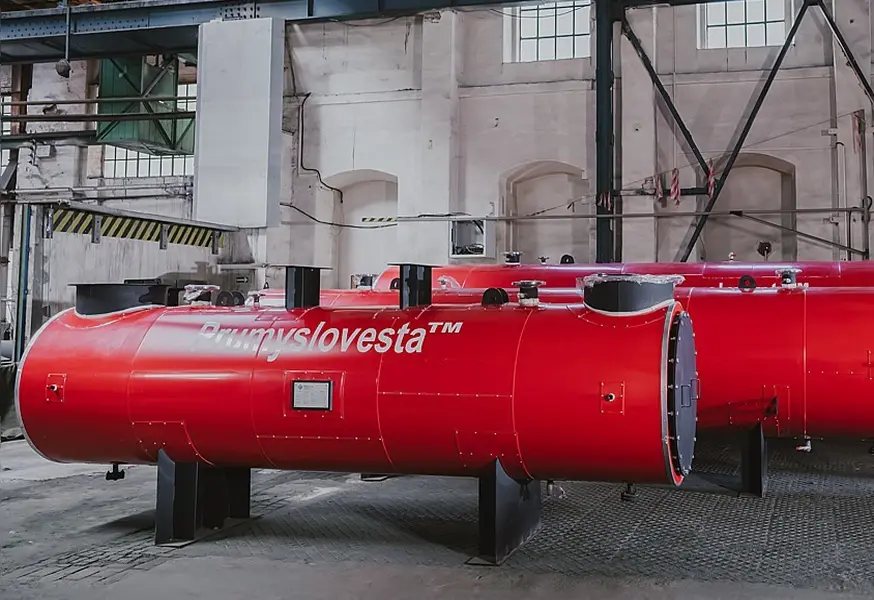
VWKG heat recovery boilers in the manufacturer’s workshop
2VWKG 1000H

Heat recovery boiler

A fire-tube hot-water boiler uses the heat of the engine exhaust. The gases enter the boiler at about 410 °C and leave for the stack cooled to 120 °C.

  • Rated heat output 410 kW, boiler efficiency 92–94%.
  • Heats water for space heating and process needs at 70/90 °C, operating pressure 6 bar.
  • A bypass routes the exhaust past the boiler when the heat is not needed.
410 kW
heat output
92–94%
boiler efficiency
70/90 °C
water temperature
1.5 t
weight
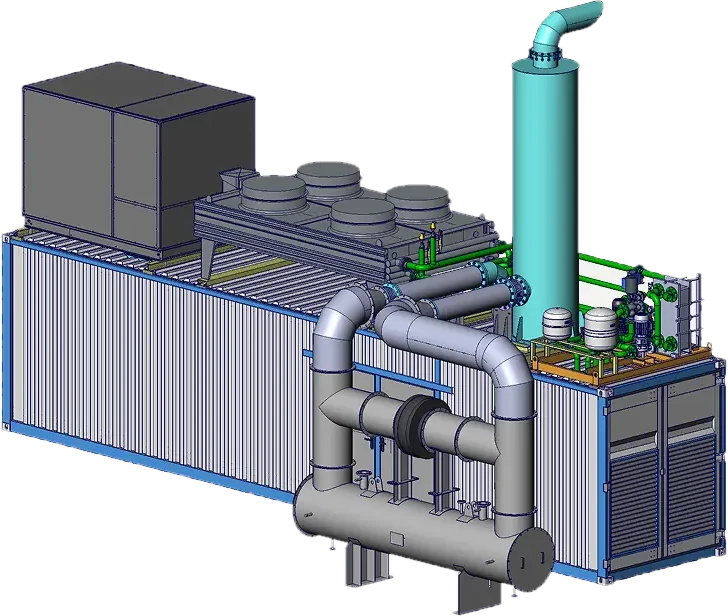
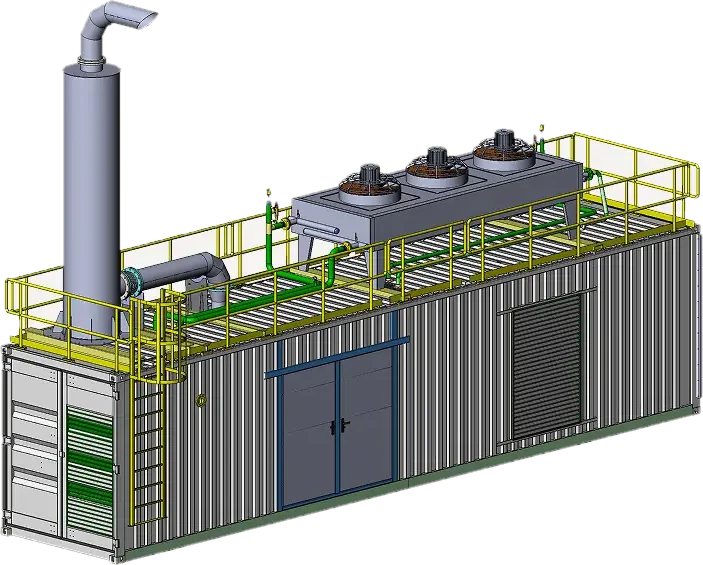
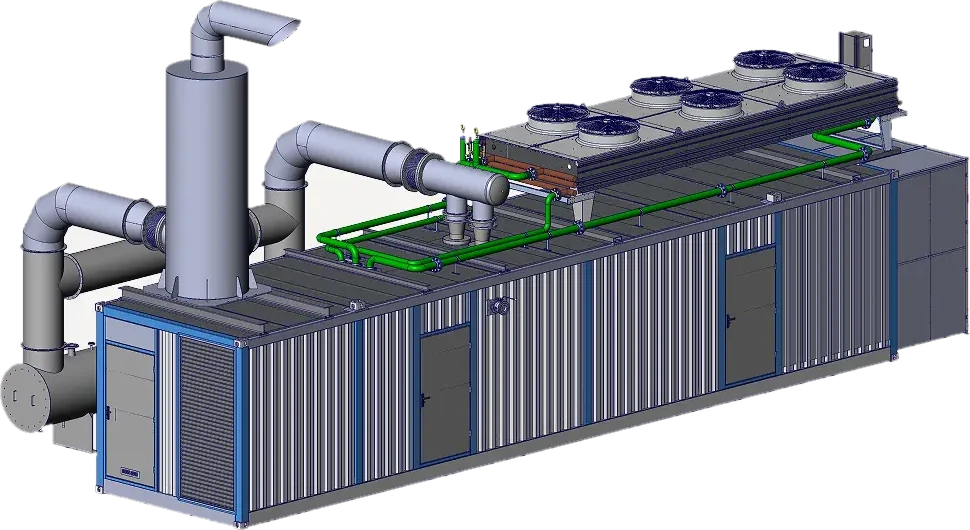
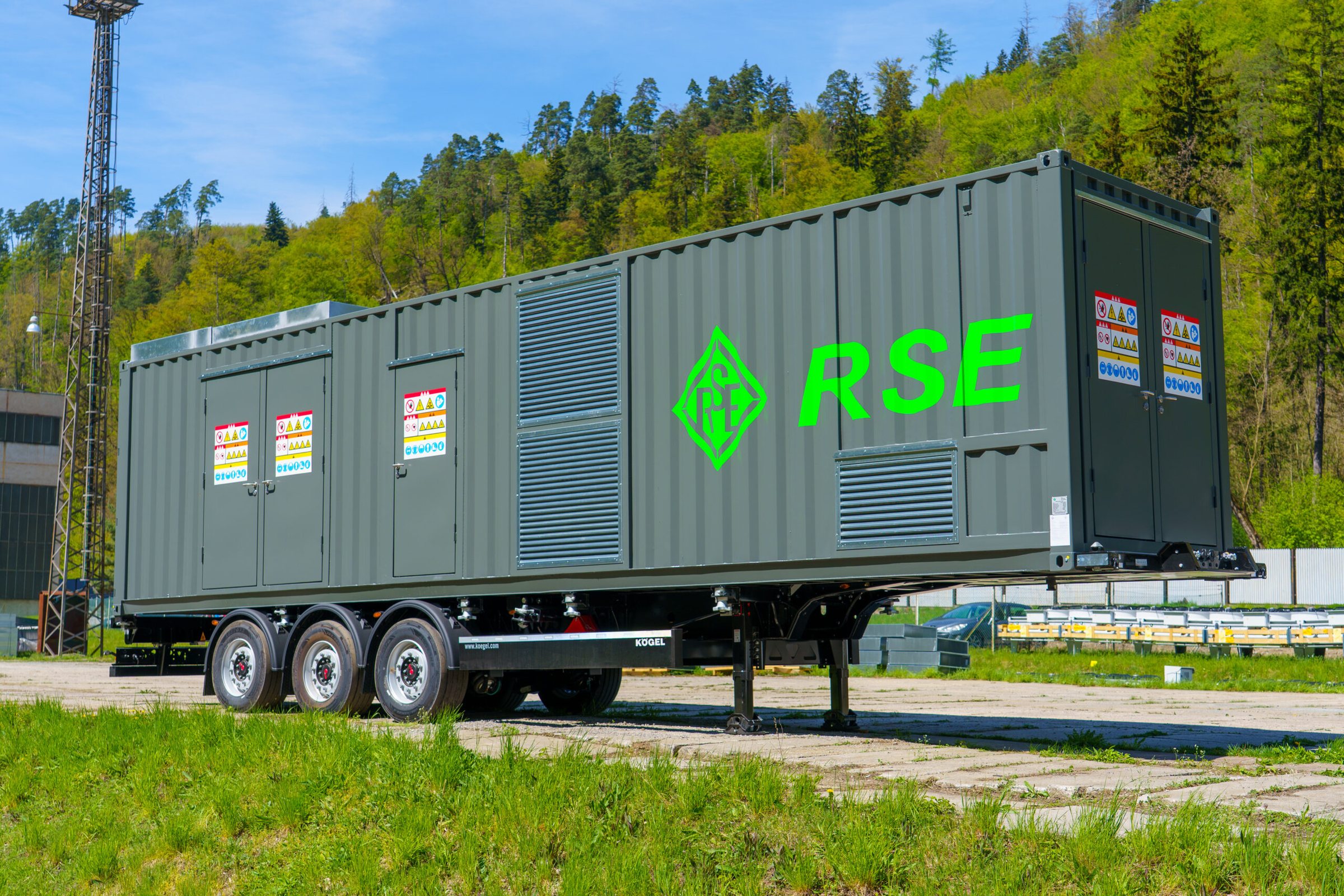
RSE modular cogeneration unit in a container
3RSE 1000

Unit container

The soundproof container is a ready-to-operate package: the genset, heat circuits, ventilation, gas and exhaust systems, lubrication system and control cabinets. The unit is assembled and tested at the RSE plant in the Czech Republic.

  • Sound pressure level at 10 m: 65 dB(A).
  • A separate switchgear room, smoke and methane detection.
  • An emergency circuit with a dry cooler removes engine heat when the heating network cannot take it.
65 dB(A)
noise at 10 m
9
subsystems
400 V
voltage
Czech Republic
manufacture
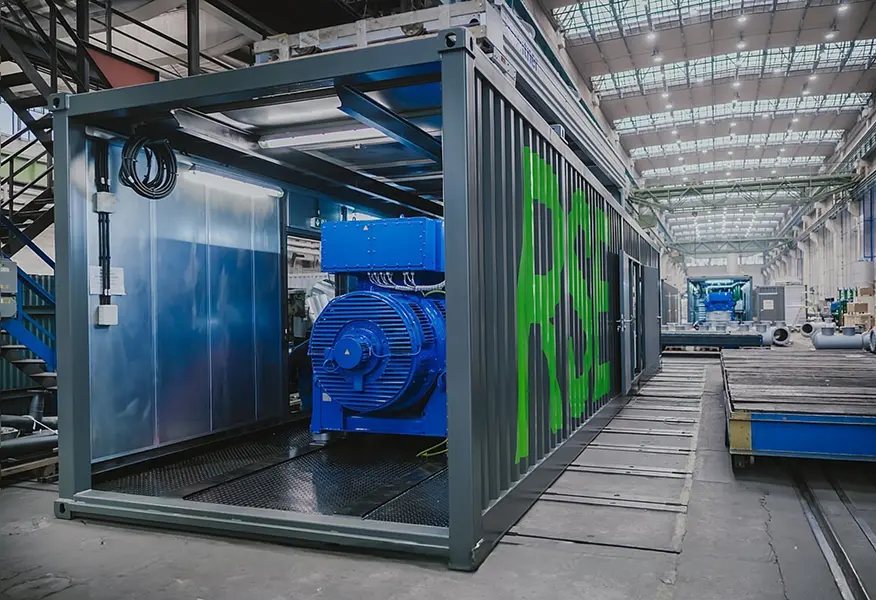
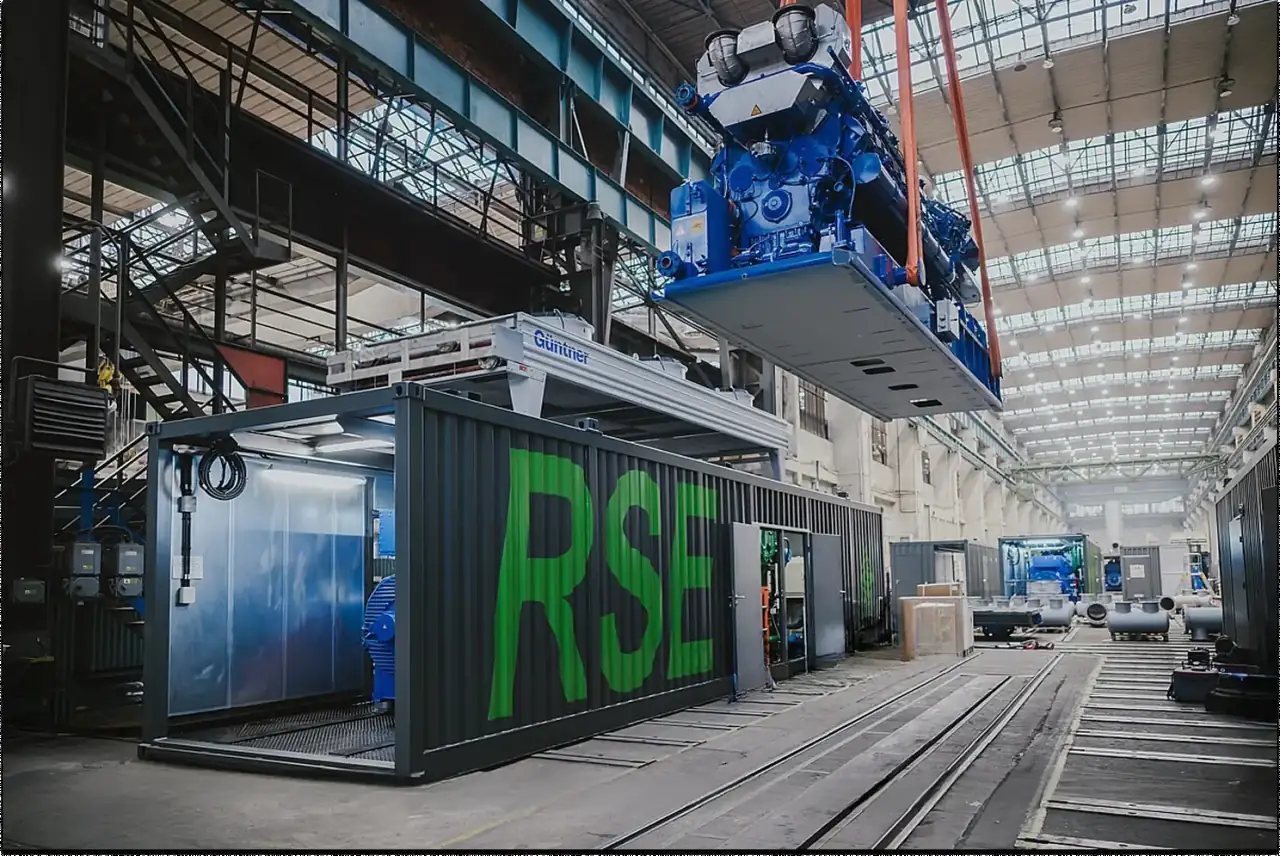
Genset inside an RSE container at the factory
A genset in the container at the RSE plant. RSE photo.

How the RSE 1000 works

Gas is fed to the engine; electricity from the generator goes to the site grid, engine and exhaust heat to the heating network.

Exhaust gas, 410 °CCoolantNatural gasMWM TCG 2020EngineGGeneratorHeat exchangerVWKGHeat recovery boilerStack, 120 °CElectricity 400 VHeat 70/90 °C
  1. 01

    Fuel

    Gas enters through a gas train with leak testing. TEM-EVO meters the gas–air mixture and controls ignition in every cylinder.

  2. 02

    Electricity

    The generator delivers 1,000 kW at 400 V and operates in parallel with the site grid.

  3. 03

    Engine heat

    Coolant heat of 571 kW passes through a plate heat exchanger into the heating network.

  4. 04

    Exhaust heat

    The exhaust passes through the recovery boiler, gives up to 410 kW of heat and cools to 120 °C.

RSE range

RSE modular units on four series of MWM engines. The output is defined by a calculation based on the site’s electricity and heat demand.

RSE 400–1000, TCG 3016
RSE 400–1000
MWM TCG 3016
0.4–1.0
MW
43 / 88%
el. / total eff.
RSE 1000–1500, TCG 2020
RSE 1000–1500
MWM TCG 2020
1.0–1.56
MW
43 / 88%
el. / total eff.
RSE 1380–2300, TCG 3020
RSE 1380–2300
MWM TCG 3020
1.38–2.3
MW
45 / 88%
el. / total eff.
RSE 3333–4500, TCG 2032
RSE 3333–4500
MWM TCG 2032
3.33–4.5
MW
45 / 88%
el. / total eff.
RSE 400–1000TCG 30160.4–1.0 MW
RSE 1000–1500TCG 20201.0–1.56 MW
RSE 1380–2300TCG 30201.38–2.3 MW
RSE 3333–4500TCG 20323.33–4.5 MW
01234MW

Diesel generators

For backup and emergency power we supply FG Wilson diesel gensets together with RSE Group.

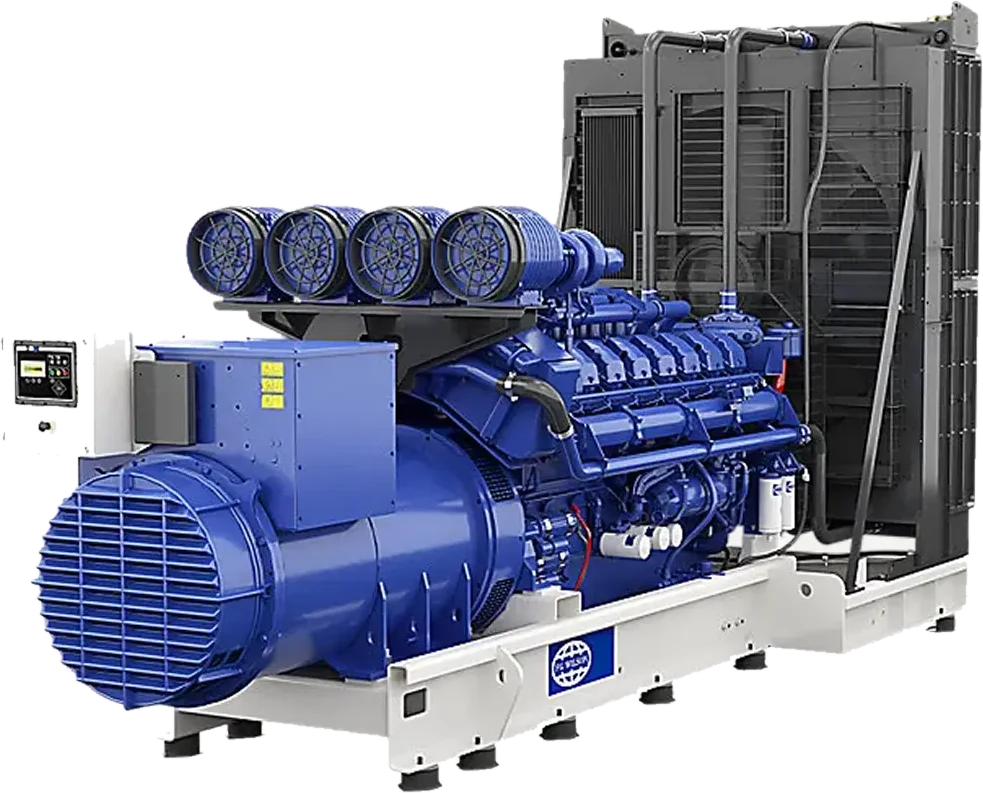
FG Wilson open-frame diesel genset
RSE × FG Wilson

FG Wilson gensets

Diesel gensets for standby, prime and emergency power, in containerised, stationary and mobile versions.

  • Backup power for a site or a construction area before the permanent source is connected.
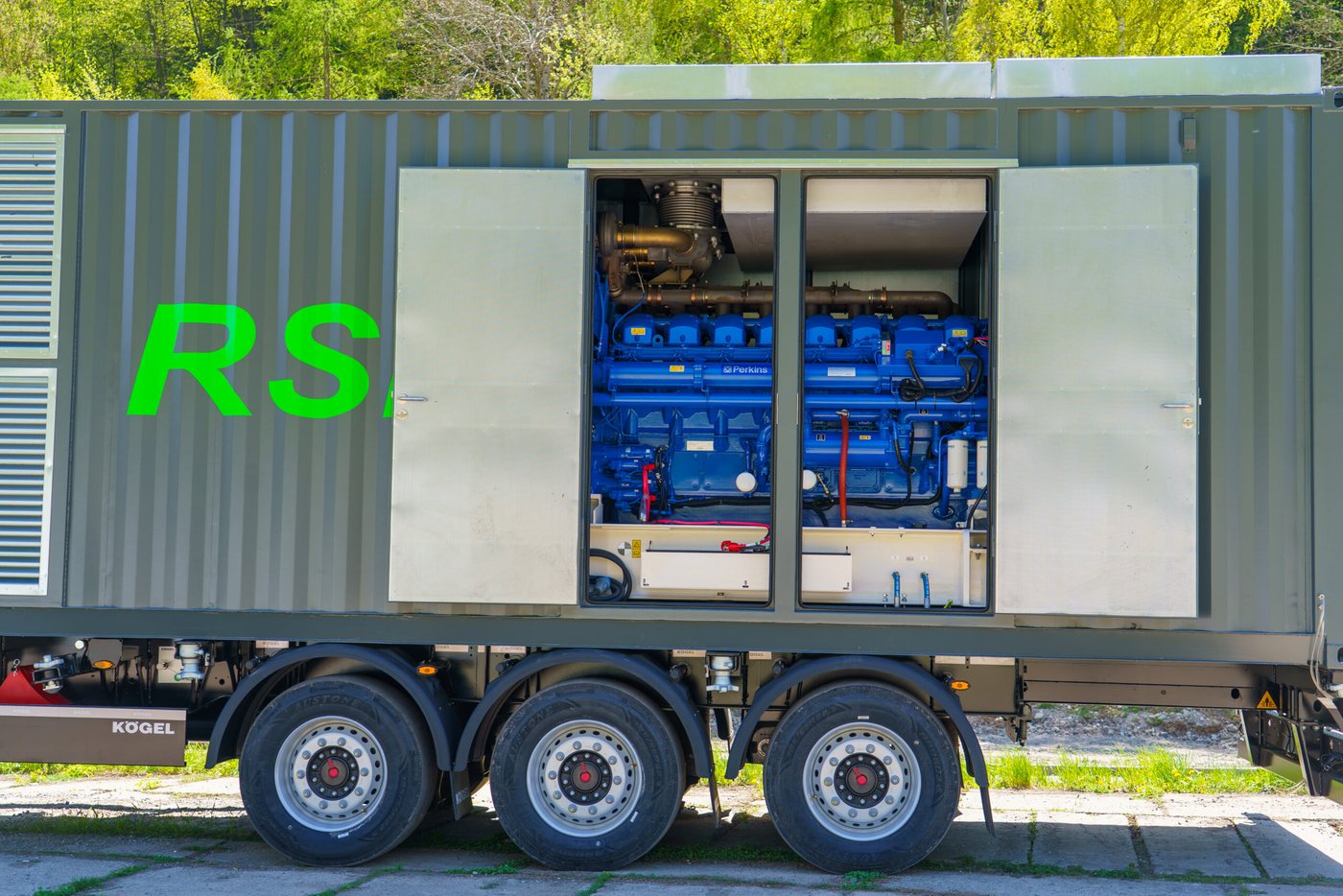
  • Mobile stations on a semi-trailer for fast deployment.
  • Turnkey supply from configuration to commissioning.
45 kVA
P50-3
50 kVA
P55-3
60 kVA
P65-5
RSE mobile diesel power station based on FG Wilson on a semi-trailer
RSE mobile diesel power station based on FG Wilson. RSE photo.

Technical data according to RSE Group and MWM for natural gas. The final configuration is defined by a calculation based on the actual electricity and heat demand.

Viability of cogeneration

A cogeneration unit pays back where there is a constant simultaneous demand for electricity and heat: drying chambers, process steam, hot water for the process, workshops heated all year round.

If heat is needed only in the heating season, in summer the unit runs without heat recovery or stands idle, and the payback period increases. We show this in the calculation before the equipment is purchased; on the basis of that calculation cogeneration may be found not to be viable.

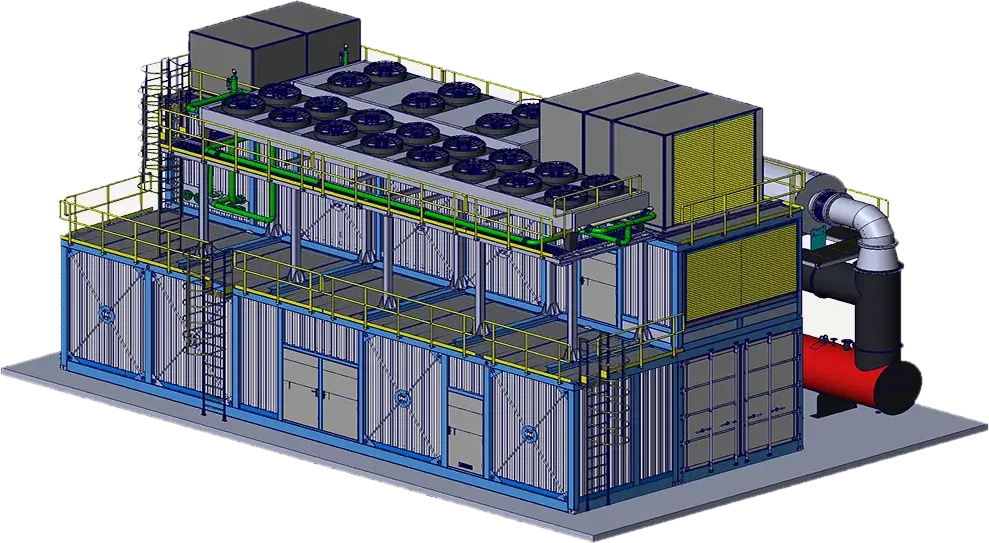
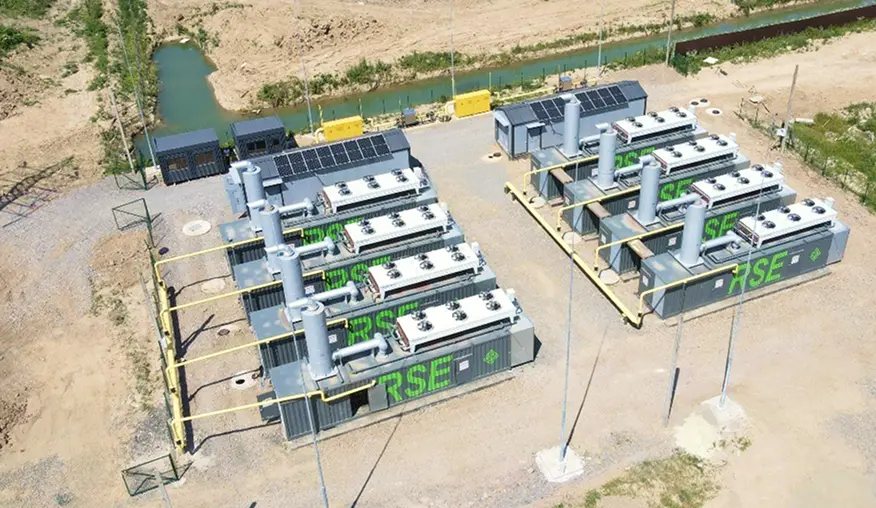
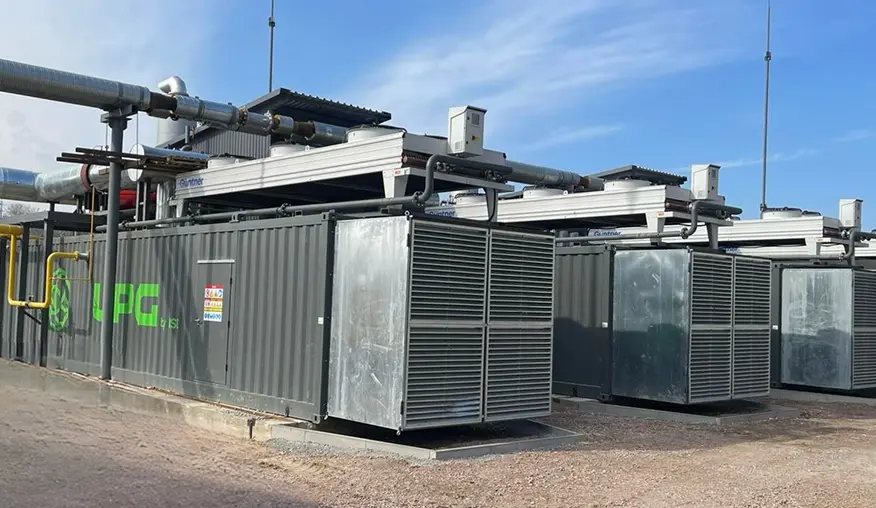
RSE containerised cogeneration units on an industrial site

Gas-piston or gas-turbine unit

A gas-piston engine is more flexible under variable load and gives a larger share of its energy as electricity, so it more often suits a business with an uneven schedule. A gas turbine gives more high-temperature heat — an advantage where process steam is needed and the load is stable.

The choice is made after a survey, by output, operating mode, fuel and heat requirements. The model is selected for the task; equipment from another manufacturer chosen by the client is also installed and connected by us.

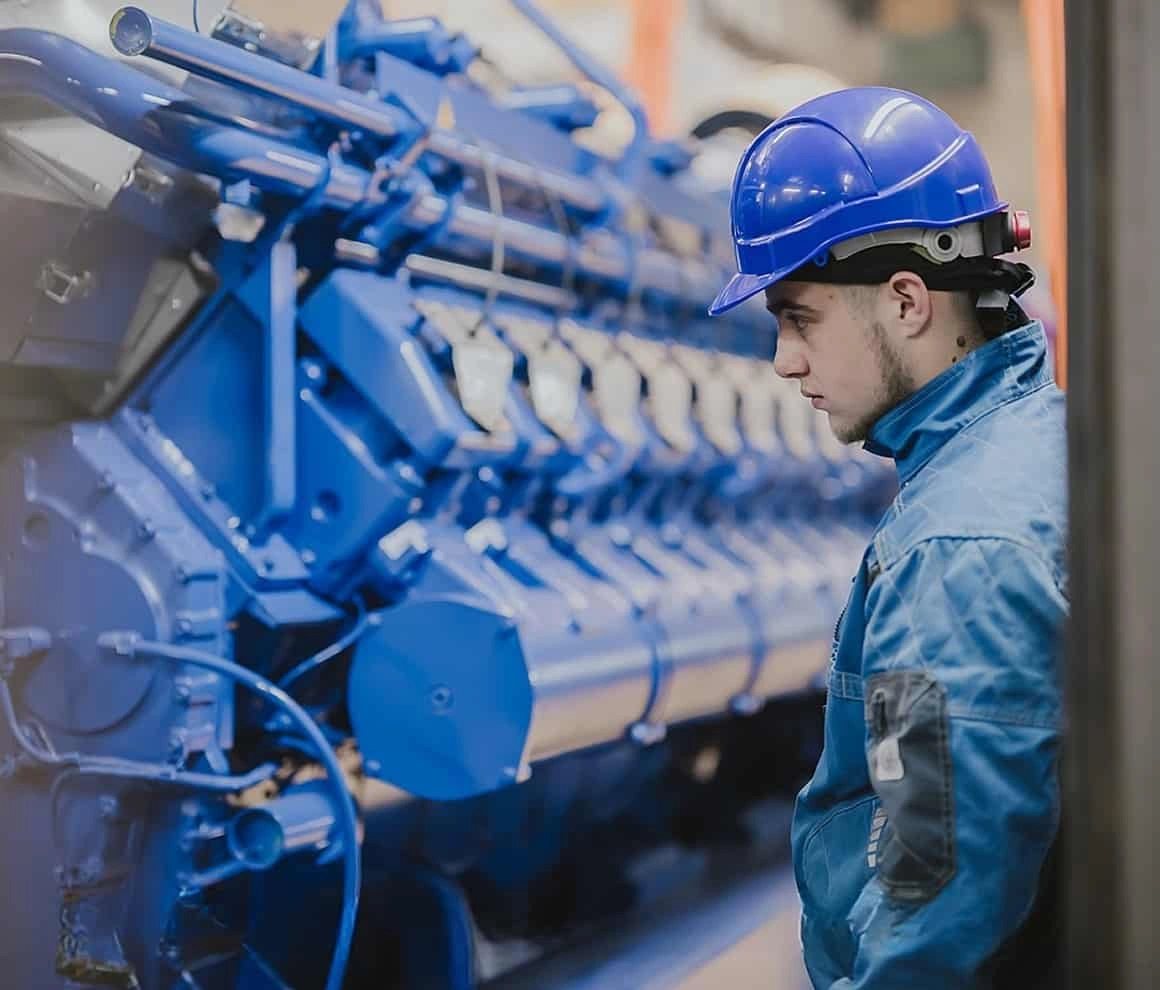
Engineer at an MWM gas engine

Civil works for the unit

The unit requires a foundation designed for its weight and vibration, a room or containerised pad with ventilation and sound insulation, a flue, pipework to the heat recovery system and cable routes.

These works, which equipment suppliers usually leave to the client, are carried out by us: we design them, fabricate the steelwork for the pad and pipe supports at our own facility, build and connect. Responsibility for the interface between the building and the equipment lies with one contractor.

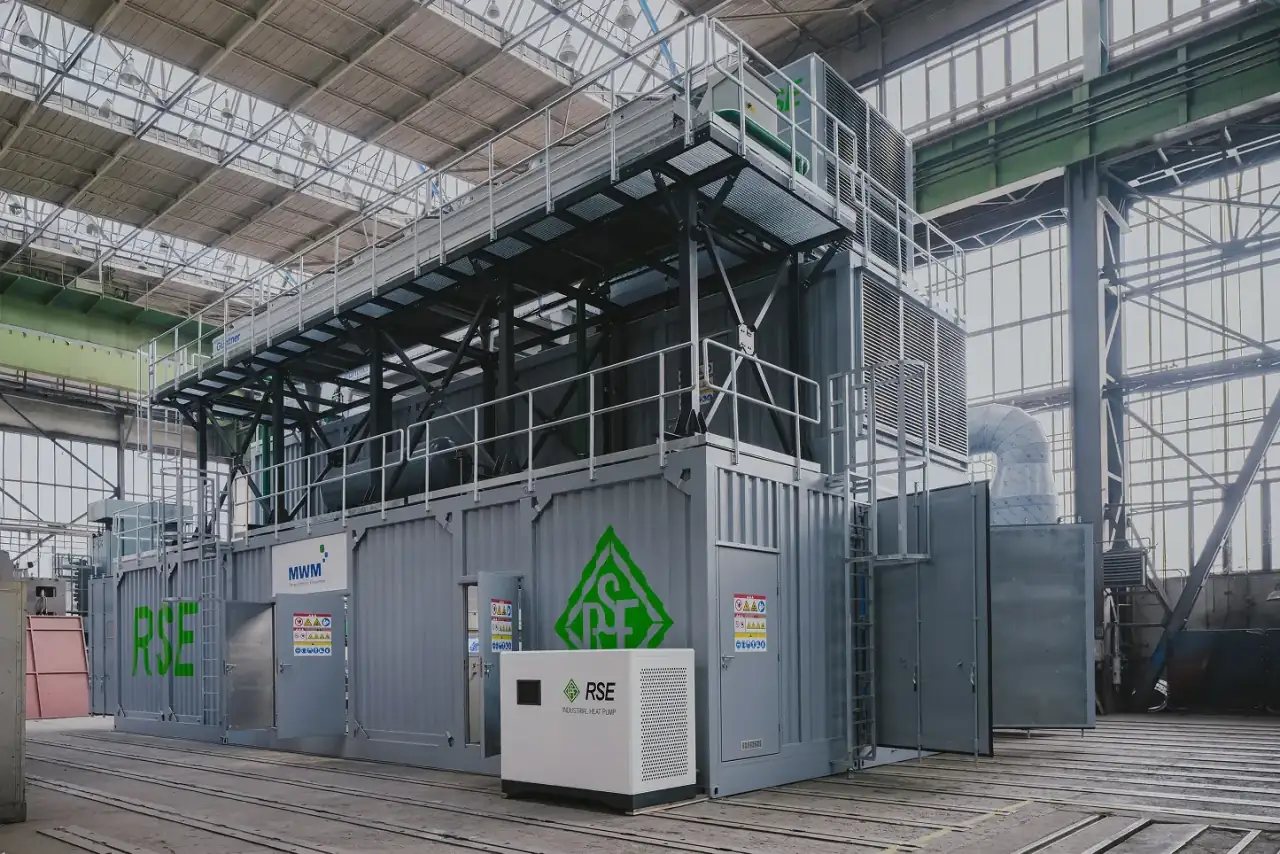
RSE cogeneration module with a service platform in the factory hall

Start-up and service

After installation we carry out commissioning: checks of the pipework and controls, first start, a gradual ramp-up to the operating mode with monitoring of parameters. The unit is handed over after stable operation in the design mode.

Thereafter we carry out planned inspections and maintenance to the manufacturer’s schedule: consumables, the condition of the engine or turbine, heat exchangers and controls. The client’s personnel are trained in daily monitoring so that the unit remains supervised between inspections.

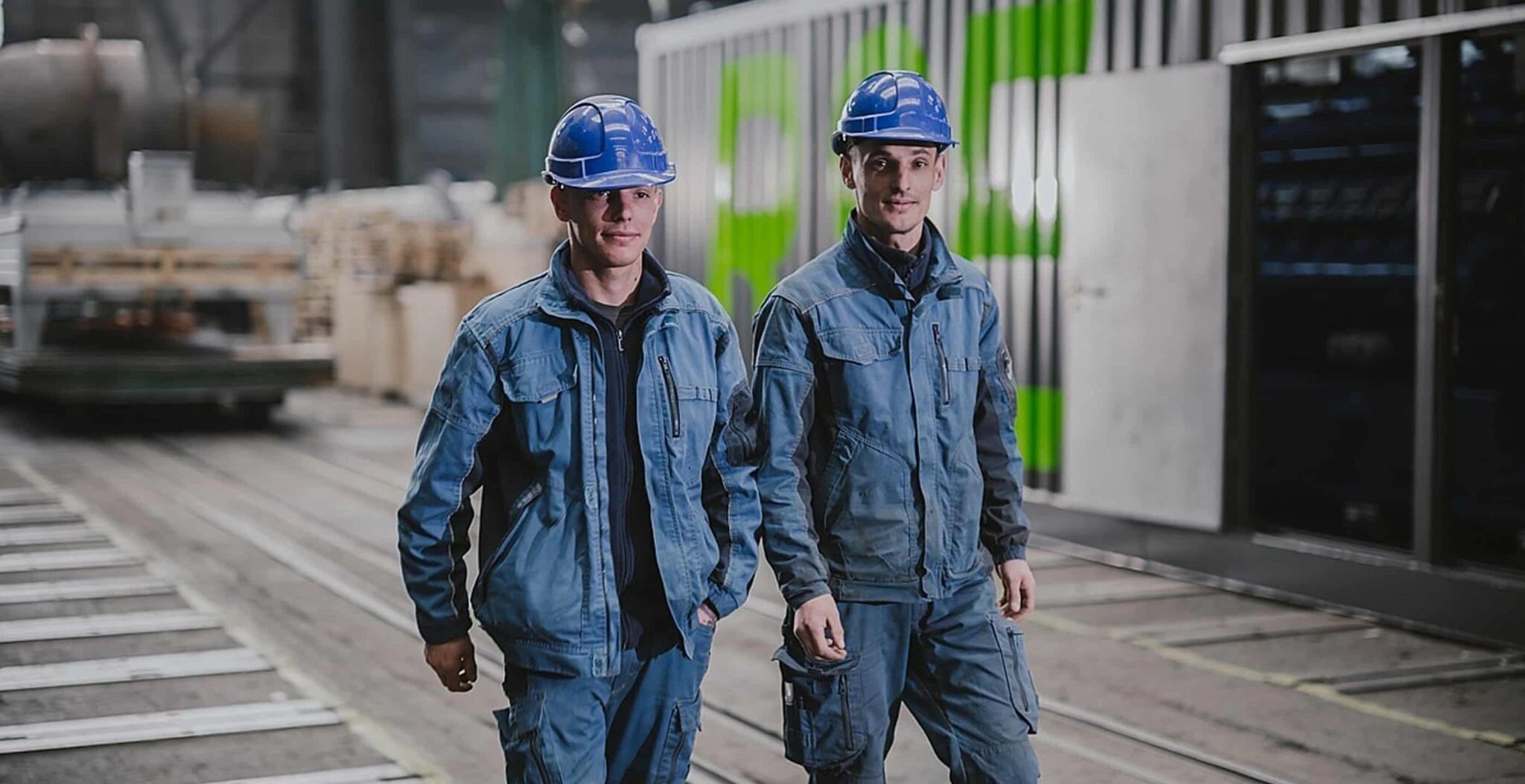
RSE engineers by a containerised unit at the factory

Example solutions

Installing a genset into a container at the RSE plant
RSE containerised units on site

Typical facilities

  • 01Production sites that need electricity and heat at the same time
  • 02Plants with an even load through the day
  • 03Boiler houses and heat substations due for replacement or extension
  • 04Facilities with a gas supply for a gas-piston or gas-turbine unit
  • 05Greenhouse farms and processing plants
  • 06Operating plants where the schedule follows the shutdown window

How we work

01

Survey

We analyse the site’s electricity and heat demand.

02

Unit selection

We select the CHP type and capacity for the task.

03

Installation

We install the unit and heat-recovery systems.

04

Commissioning

Connection, automation and ramp-up to operation.

Frequently asked questions

How much does a cogeneration unit cost?

A manager calculates the exact price after a survey of the plant’s electricity and heat consumption and how evenly it is distributed. It depends on the type and output of the unit, the heat recovery system, the civil works and connection to the networks. Indicative figures are not provided before the calculation; energy consumption data are required for it.

Which equipment do you work with?

We supply MWM TCG cogeneration units and FG Wilson diesel generators together with our partner RSE Group Ukraine. If another manufacturer has already been chosen for the site, we take on the civil works, installation and connection.

Will a CHP unit pay back at our plant?

This is established by a survey: the calculation is based on actual electricity and heat consumption, the operating schedule, the fuel price and current tariffs. If heat demand is seasonal or low, this is stated in the calculation together with the conditions under which the unit would pay back.

How do we choose between a gas-piston and a gas-turbine unit?

The choice depends on output, load pattern, fuel and the heat required. For variable load and hot water a gas-piston unit is more often used; for a stable regime and process steam, a gas-turbine unit. The decision is made after a survey and a calculation of both options.

Do you carry out the civil works for the unit?

Yes. The foundation, room or containerised pad, steelwork, pipework, flue and cable routes are designed by us, fabricated at our own facility and installed by our own crews. The client works to one schedule with one responsible contractor.

Who services the unit after start-up?

Service and planned inspections are carried out by our company, without involving another contractor. Frequency and scope are agreed once the unit reaches its operating mode, to the manufacturer’s schedule; unscheduled visits are made at the client’s request.

Send a request

Send a description of the task or the drawings and we will prepare a technical solution and a cost calculation.

Cost estimate for the works

Send us drawings or a technical specification and we will prepare a technical solution and a cost estimate.