Solar plants
Solar power plants for business and production
What the service includes
We build solar power plants for businesses and production sites — for independence from the grid and lower electricity costs.
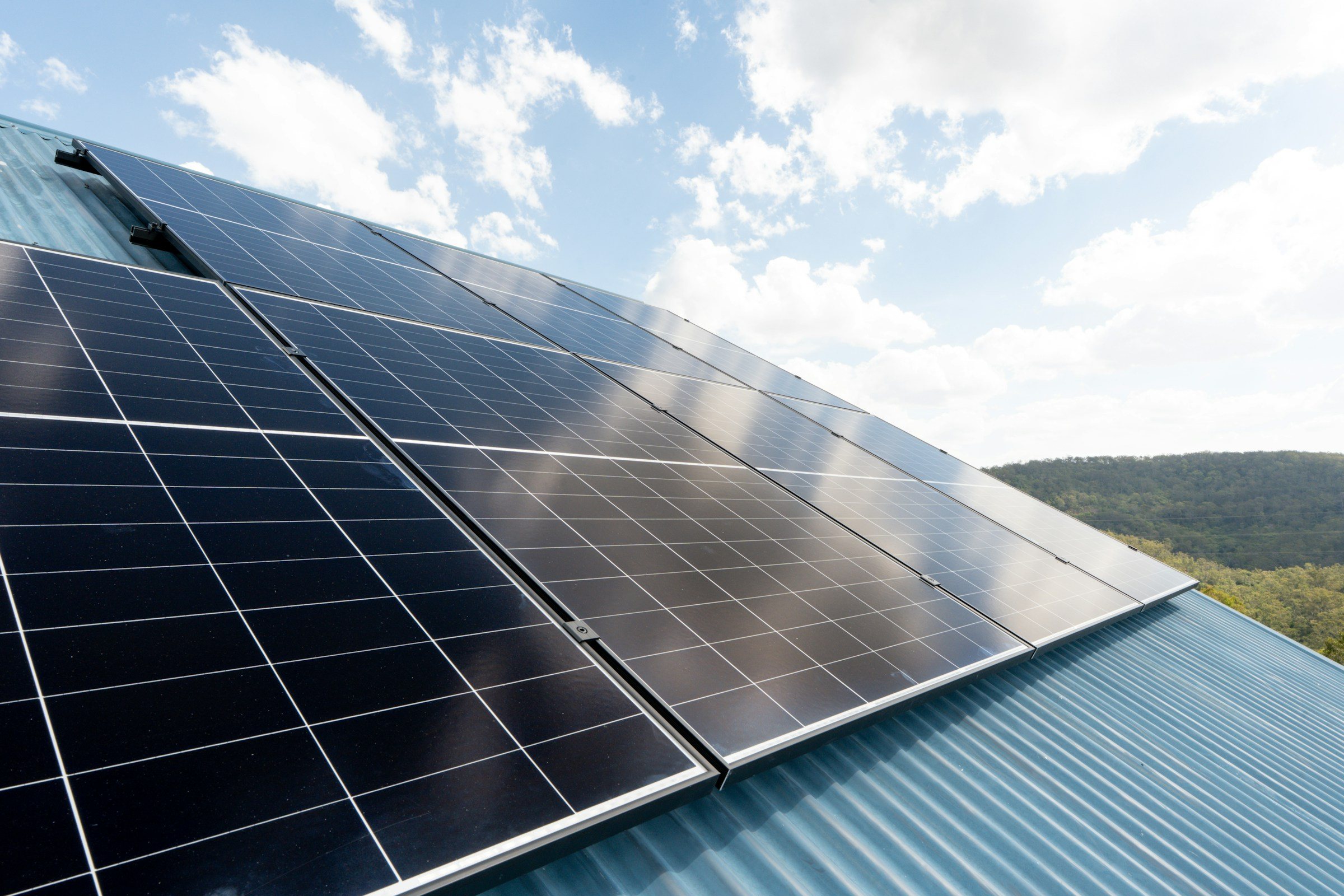
The work starts with the base. The roof or the ground has to carry the structure and the wind load, so the first stage is a calculation of load-bearing capacity and of the structural feasibility of installation. If the covering needs repair, we carry it out before the panels are installed: dismantling an installed array because of leaks costs more than repairing the roof beforehand.
The support and fixing structures for the panels are fabricated at our own production facility, with the same anti-corrosion protection as our other steel structures. We then install the panels, connect them into arrays, install and set up the inverter and connect the plant.
Where required, we add an energy storage system to the plant: a hybrid solution provides backup power during grid outages, including after dark.
The economics of the plant are calculated before installation begins. The capacity is matched to the facility’s actual consumption and its daily profile: a production facility operating in daytime hours and a facility with even round-the-clock consumption require different configurations. This determines the number of panels, the grid connection scheme and the payback period. After start-up the plant requires periodic inspection of fixings, connections and the condition of the covering under the array. As our company designed and installed the plant, we know the specifics of the structure and can take on its maintenance.
- Solar power plants for businesses and production sites
- Load-bearing calculation for the base before installation
- Repair and preparation of the roof for panel mounting
- Support and fixing structures of our own fabrication
- Panel installation on roofs and on the ground
- Inverters, grid connection and commissioning
- Hybrid solutions with storage and backup power
- Capacity sizing against actual consumption
- Inspection and maintenance of the installed plant
A plant on the factory roof or on the ground
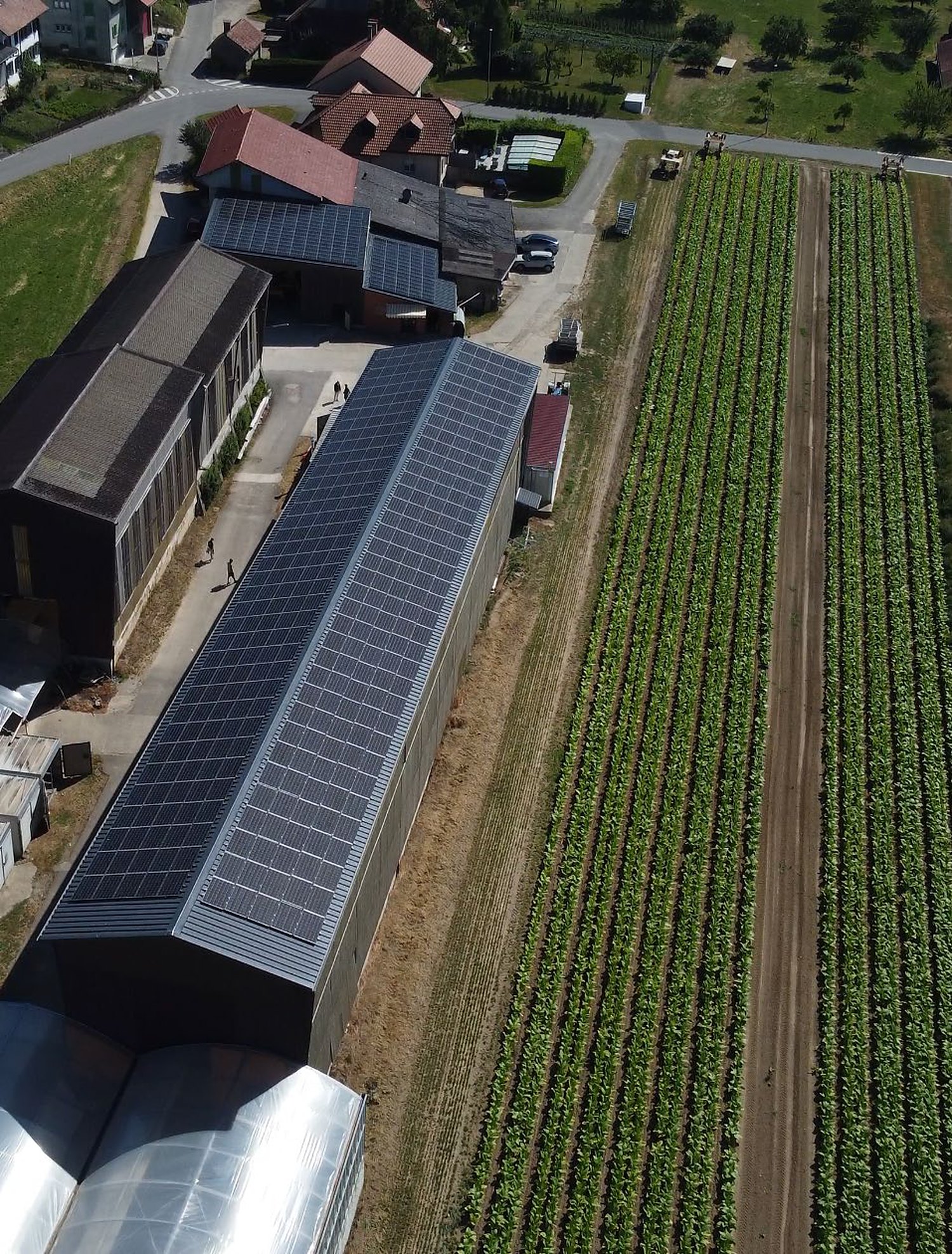
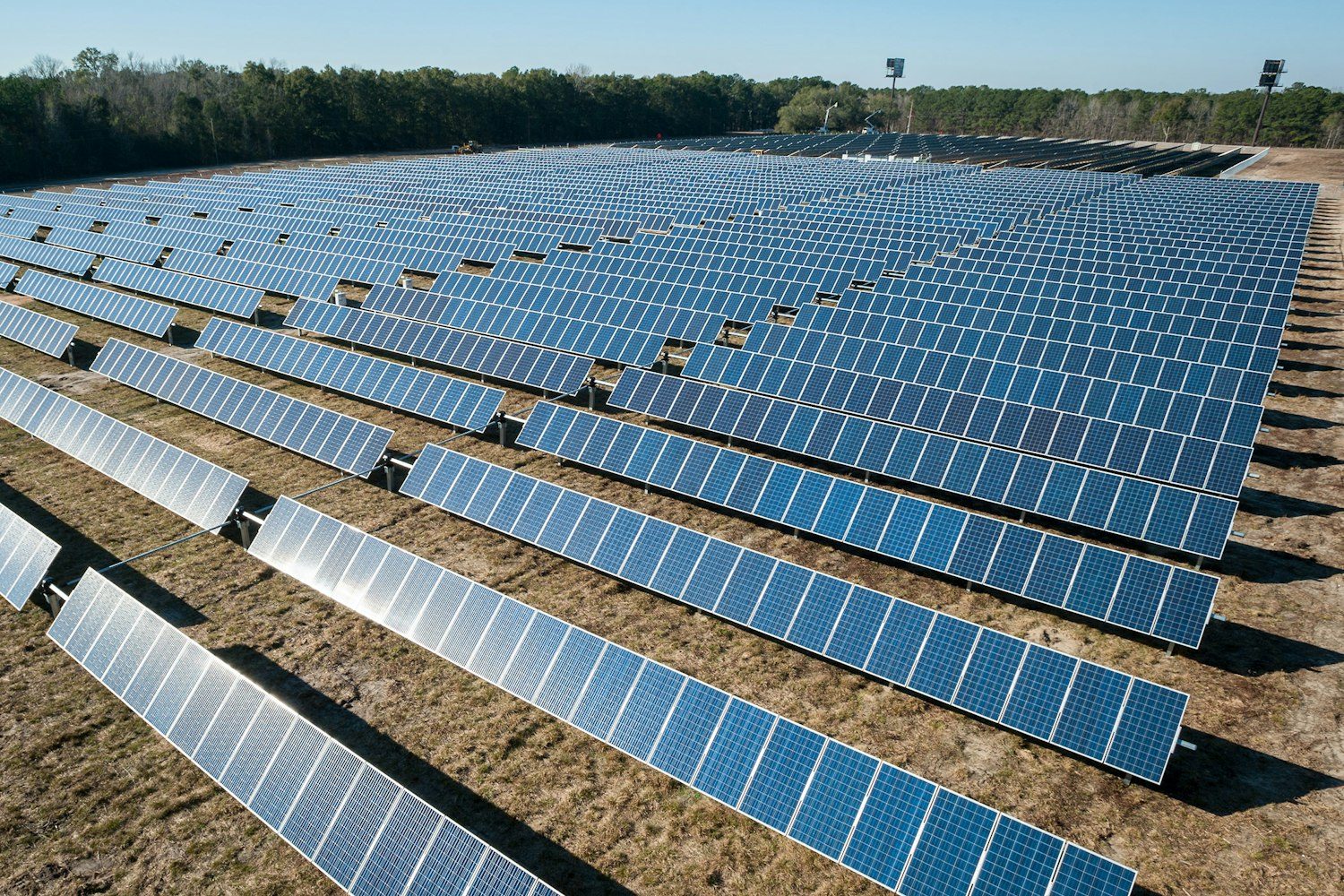
The choice between roof and ground is determined by a survey. For a roof we check whether the covering can carry the array together with the wind load, and also assess the orientation of the slopes and shading from parapets, ventilation and neighbouring buildings. For a ground-mounted plant we assess the availability of a plot not used by production and the cable route.
The piles, tables and support frames of ground-mounted plants are fabricated and installed with our own resources. A rooftop plant is designed around the existing structure of the building.
The base for the panels: calculation and preparation
The load calculation is carried out by our engineers as part of the design. We check the load-bearing structures against the drawings and on site, strengthen purlins or trusses where required, and only then prepare the panel layout.
A roof with leaks or an expired service life is repaired before installation by the same crews, within one schedule. Fixings are selected for the type of covering: membrane, profiled sheeting and sandwich panels require different solutions.
Connection, inverter and metering
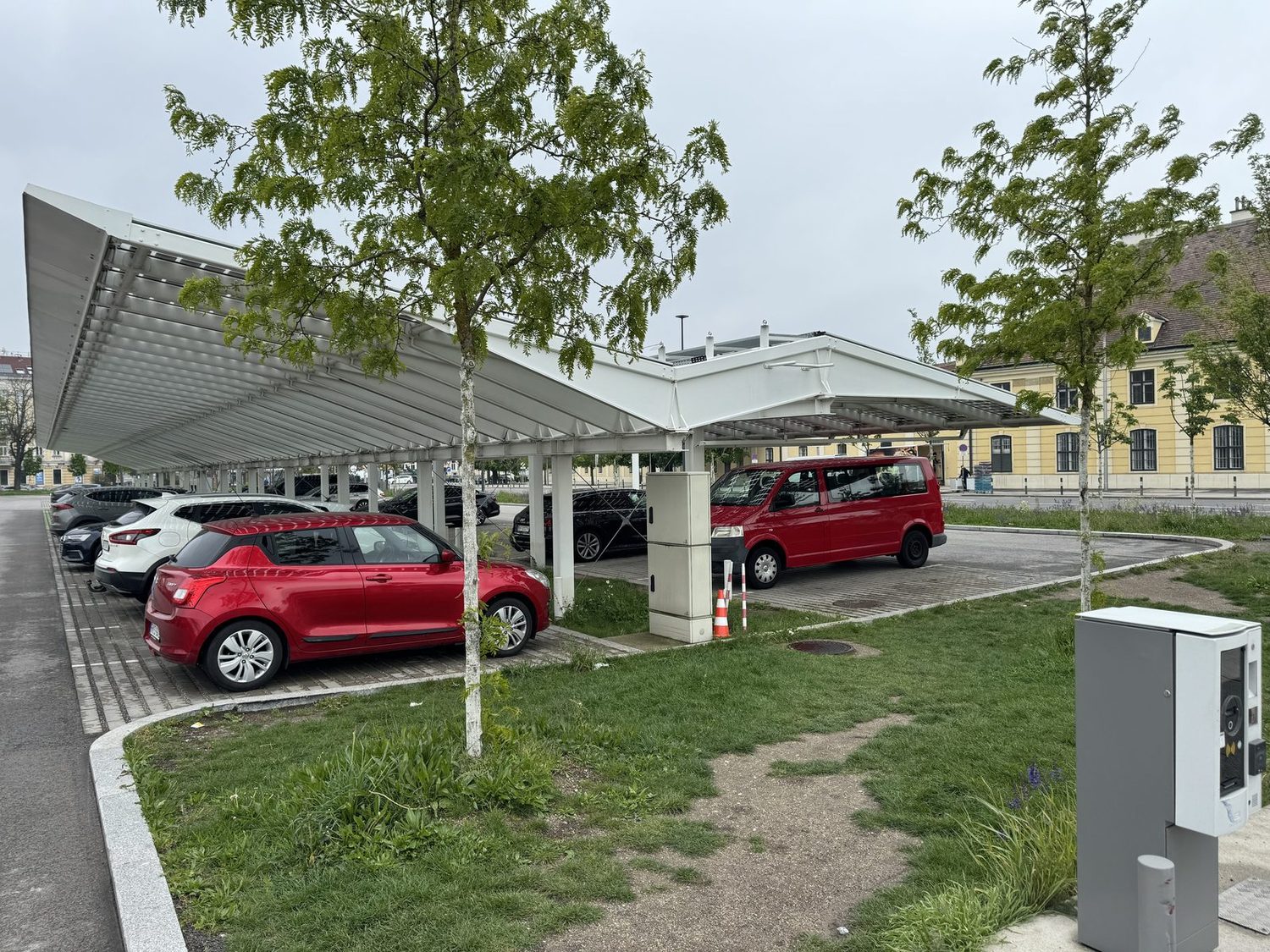
Once the array is installed, we integrate the plant into the facility’s electrical system: we install the inverters and protective equipment, assemble the plant switchboard, lay the cable routes and connect the plant to the site network.
After start-up we set up metering of the energy generated and monitoring, and the client receives daily generation data. Grid connection documents are prepared together with the client.
A plant with energy storage
If part of the load falls in the evening and at night, or grid outages occur, it is advisable to add storage to the plant: the daytime energy surplus is stored and used during the hours of consumption.
A hybrid system is designed as a single whole: the inverter, the connection scheme and the space for the modules are provided for at the initial stage. Storage can also be added to an existing plant after the inverter has been checked for compatibility.
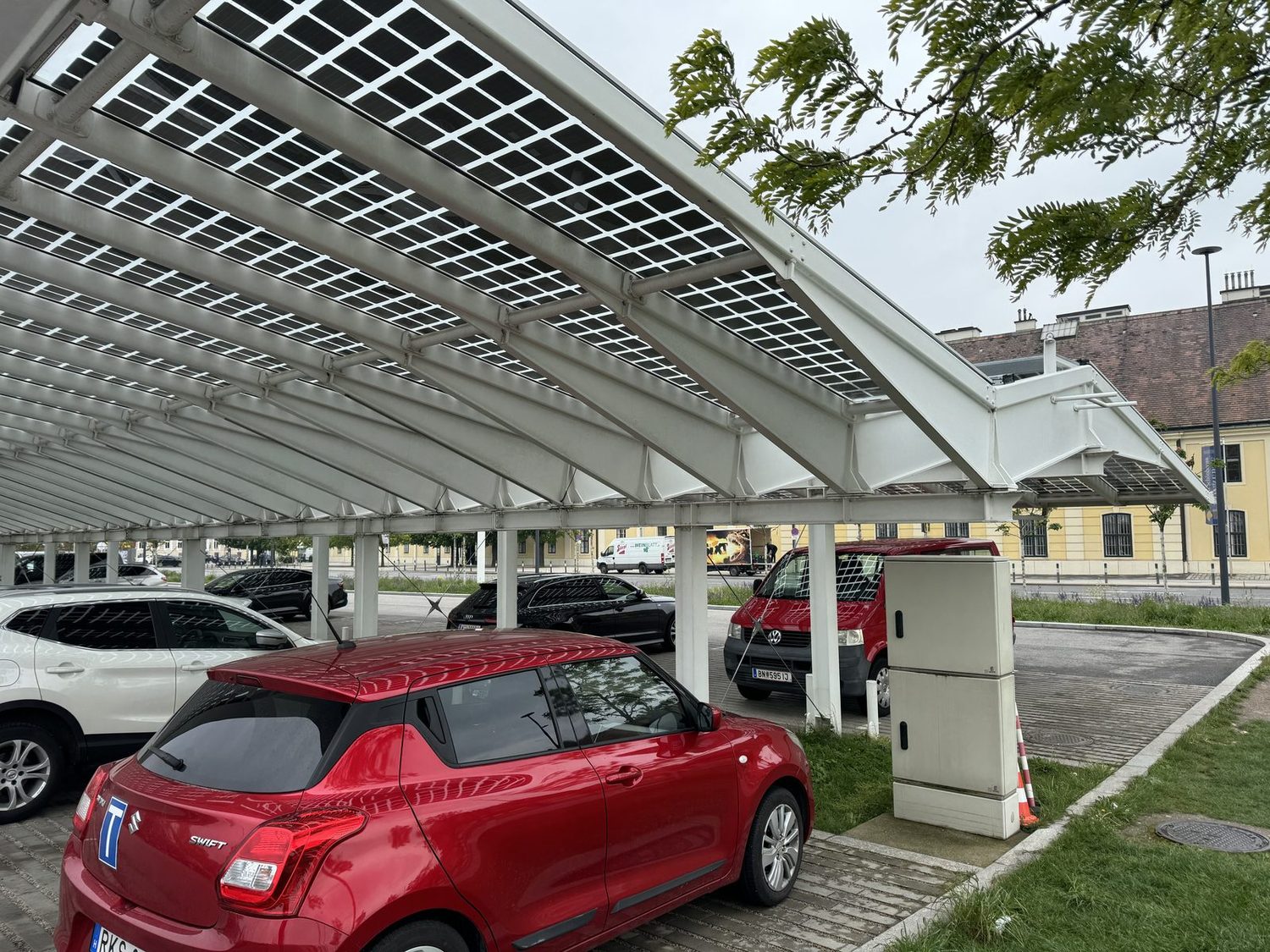
Example solutions
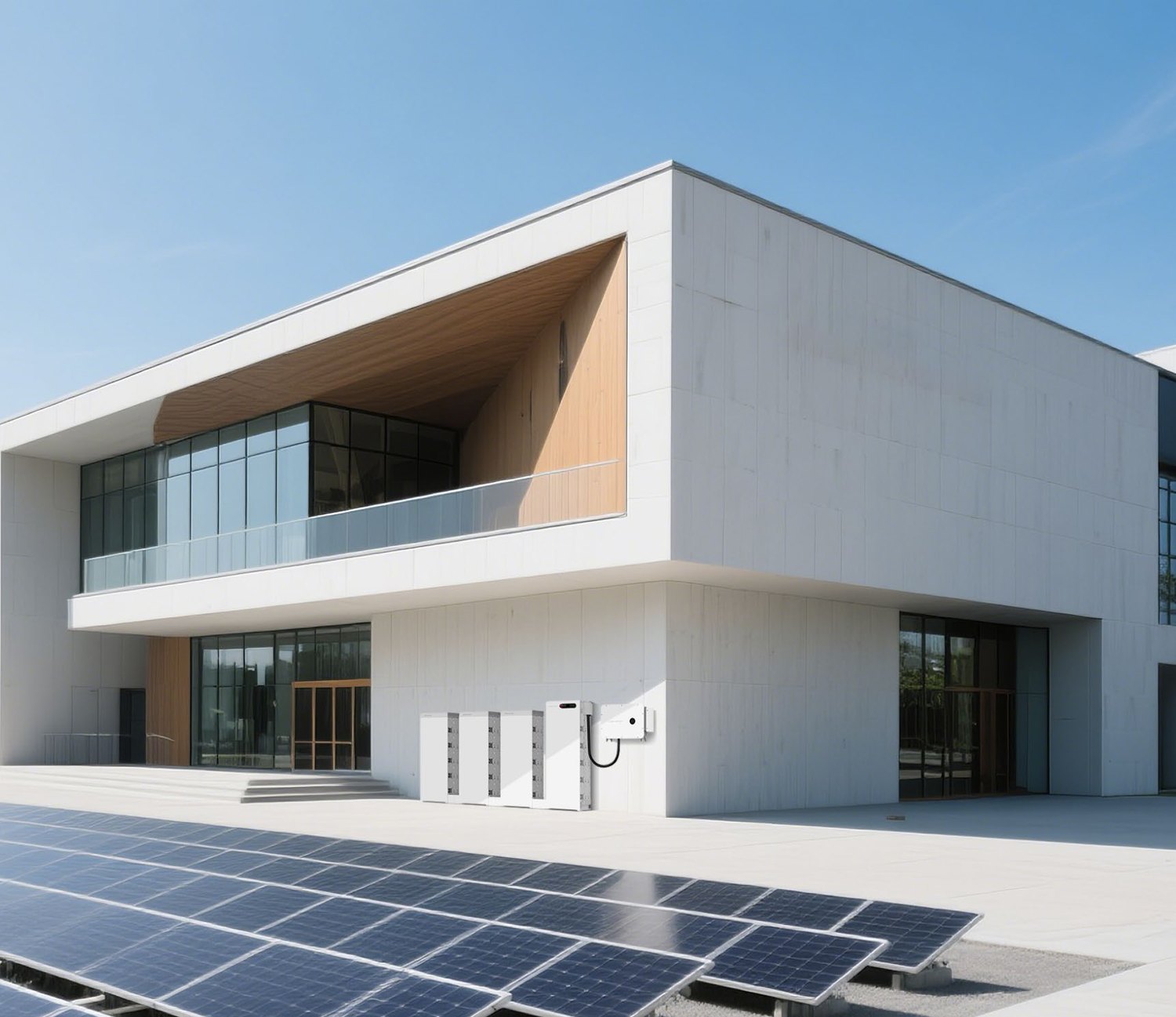
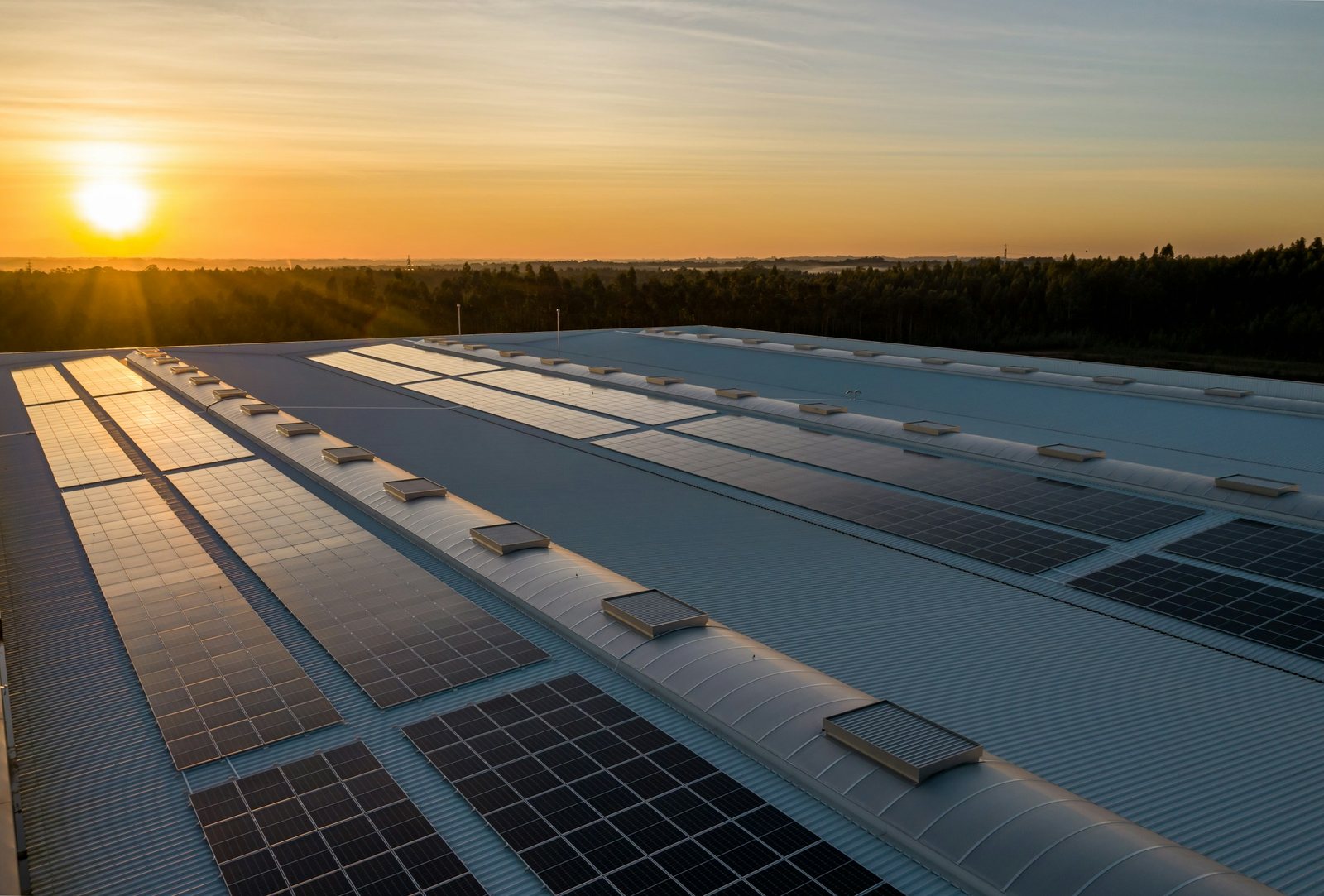
Typical facilities
- 01Production and warehouse buildings with a large roof area
- 02Roofs that carry the weight of the array and the wind load
- 03Ground-mounted sites next to the facility
- 04Facilities where the roof is repaired before the panels go up
- 05Production sites with high daytime electricity use
- 06Facilities where the plant is paired with energy storage
How we work
Feasibility check
We assess the load capacity of the base and the feasibility of installation.
Base preparation
If needed, we prepare and repair the roof covering before mounting.
Installation
We install the support structures and mount the panels, connecting them into arrays.
Inverter & start-up
We install and configure the inverter and connect the plant.
Related services
Battery energy storage (BESS)
Battery systems for energy storage and management
Transformer substations: repair and modernisation
Distribution substations: repair, modernisation, maintenance
Metal structures fabrication & installation
Frames, platforms, galleries and bridge structures with in-house detailing
Frequently asked questions
How much does a solar plant for a business cost?
A manager calculates the exact price after a survey and a calculation against actual consumption. It depends on the type of installation (roof or ground), the condition of the roof, the capacity, the connection scheme and storage. Indicative figures are not provided before the calculation; electricity bills and a roof plan are required for it.
Will our roof take the panels?
This is checked first: we review the building design, survey the load-bearing structures and covering and calculate the load from the array with wind and snow. If the margin is insufficient, we propose strengthening, a smaller array or a ground-mounted plant nearby.
Does the roof need repairing before installation?
Not always. A watertight covering with remaining service life is retained, and the fixing points are protected. If the roof leaks or will require replacement in the near future, we repair it before installation with our own resources, within one schedule with the plant.
Can storage be added later?
Yes. If storage was provided for in the plant design, the space, inverter and scheme are already in place. If not, we survey the plant, check the inverter for compatibility and the spare capacity in the switchboard, and replace part of the equipment where required.
Do you maintain the plant after start-up?
Yes. We inspect fixings, connections, the roof under the array and the inverter’s operation on a schedule agreed after start-up. Plants installed by another contractor we take on after a survey.
Send a request
Send a description of the task or the drawings and we will prepare a technical solution and a cost calculation.
Cost estimate for the works
Send us drawings or a technical specification and we will prepare a technical solution and a cost estimate.