Transformer substations: repair and modernisation
Distribution substations: repair, modernisation, maintenance
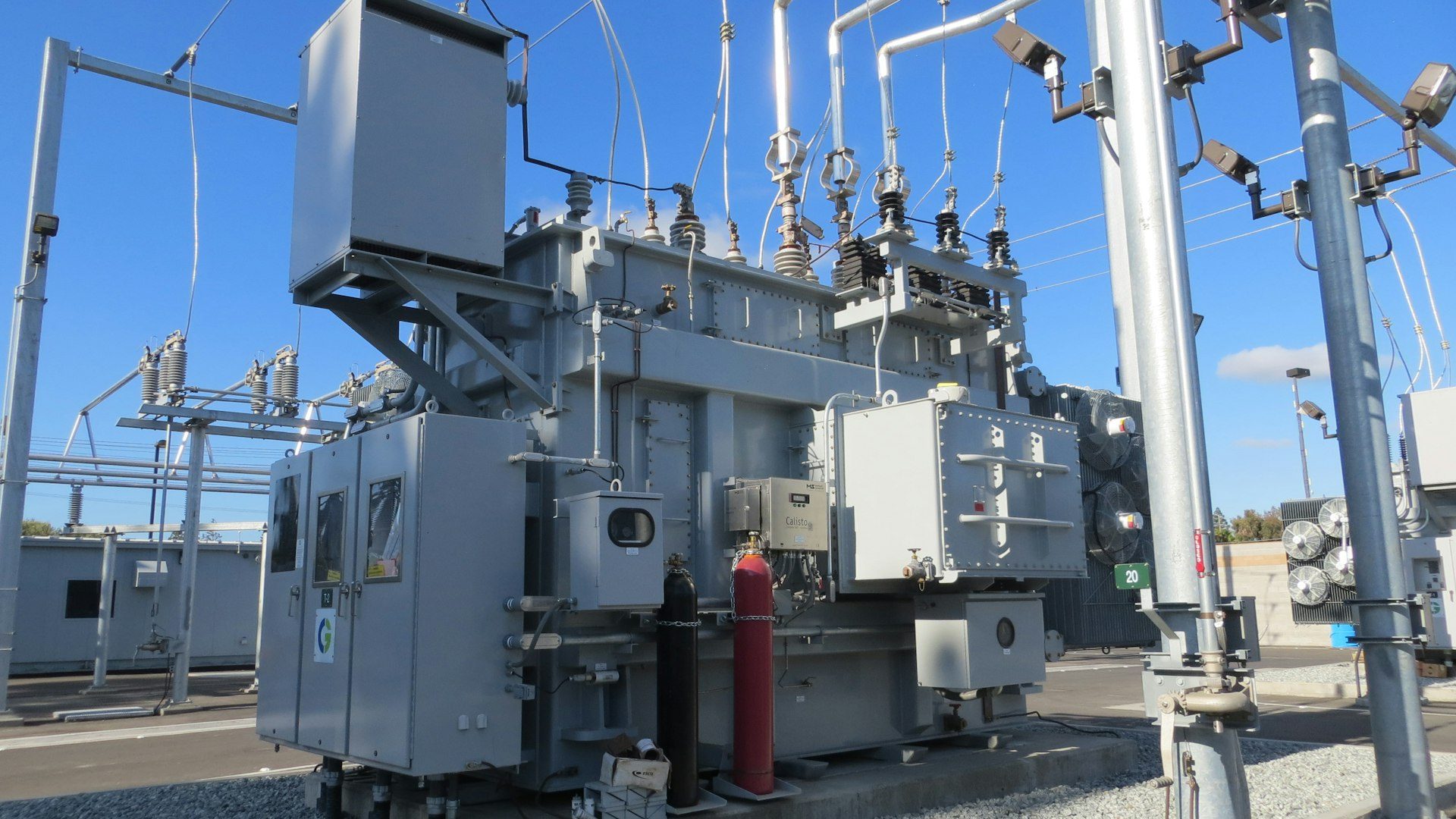
What the service includes
We repair and modernise distribution substations: replacing and updating equipment, improving the reliability and safety of a plant’s power supply.
A substation failure is usually preceded by warning signs: a growing number of minor faults, heating of connections, ageing relay protection. The work therefore starts with diagnostics and a survey, the results of which determine what has to be replaced now, what can be repaired and what will last another maintenance period.
We then prepare the repair and modernisation solutions, replace the power equipment and switchgear, update the relay protection and automation, and repair busbars and connections. Scope and sequence are agreed so that supply interruptions are predictable.
The final stage covers testing, adjustment and commissioning; the substation is handed over with confirmed parameters.
Work on a substation is carried out next to live equipment. Before mobilising to site we therefore prepare a work execution plan with the order in which equipment is taken out of service, the temporary supply arrangement and the limits of the zones personnel do not enter. Switchovers are agreed with the client’s electrical engineers and planned for windows in which a shutdown has the least impact on production. After the repair we hand over test reports and as-built documentation: they are needed both for operation and for the next maintenance cycle. Where required we also carry out associated building works — repairs to the substation room, the cable ducts and the roof. If the survey shows that a repair would only postpone the failure, we inform the client and price replacement as a separate option with its own estimate.
- Diagnostics and survey of the substation
- Repair and modernisation solutions based on the survey
- Replacement of power equipment
- Modernisation of switchgear
- Relay protection and automation
- Repair of busbars and contact connections
- Testing, adjustment and commissioning
- Work execution plan and the order in which equipment is taken out of service
- Test reports and as-built documentation
- Associated building works: rooms, cable ducts, roofing
- Switchovers agreed with the client’s electrical engineers
Signs that a substation needs repair
Signs of substation wear usually appear in advance. None of the signs below in itself means replacement, but each indicates that a survey is needed before a failure:
- Heating of contact connections and busbars, visible on a thermal camera
- Frequent or unexplained protection trips
- Protection on electromechanical relays with no spare parts available
- Design service life expired and maintenance intervals missed
- Noise, oil leaks, flashover marks on insulators
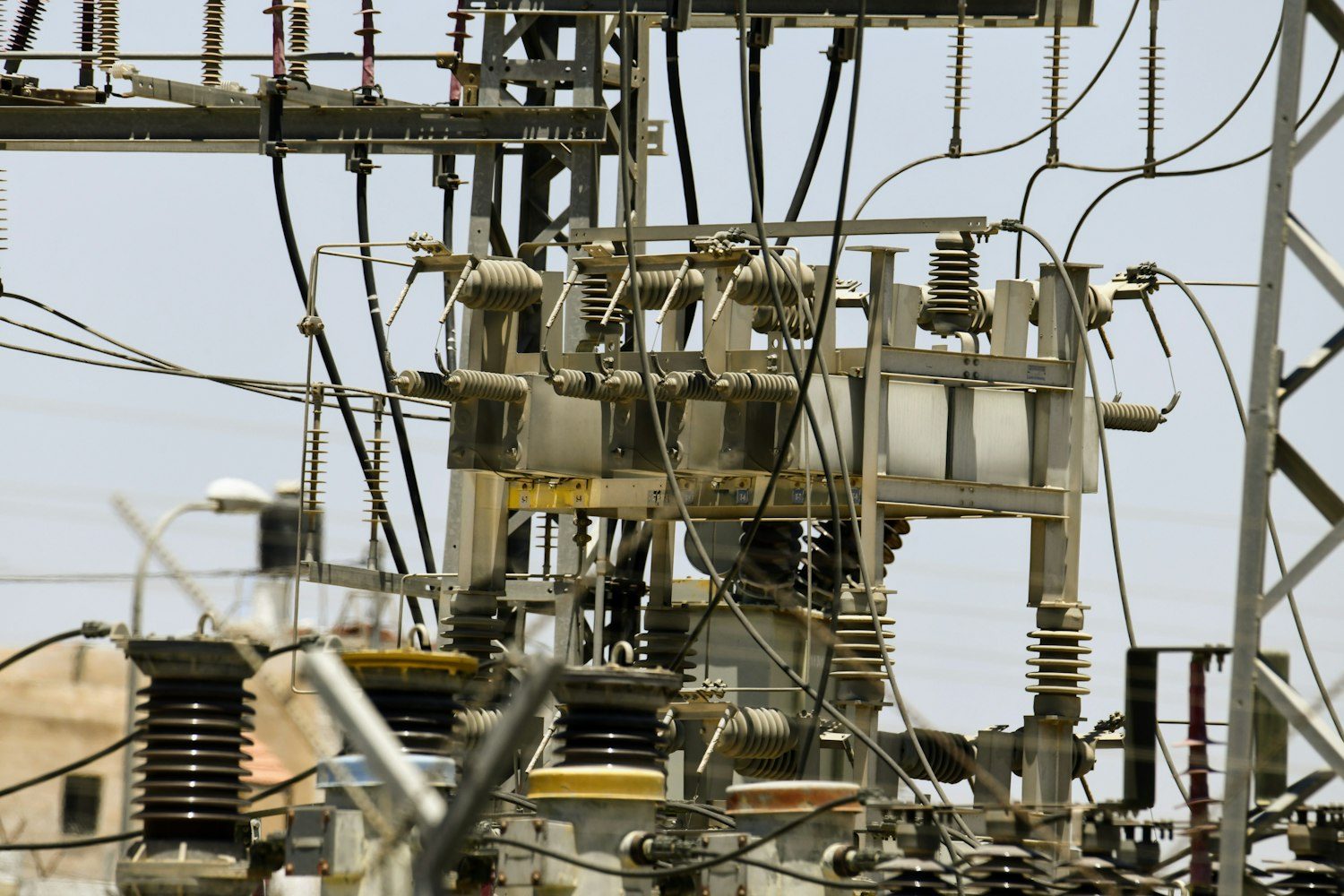
Repair, modernisation or replacement
The survey concludes with a decision on further works. Repair applies when a component is worn but the main equipment is sound: contacts, busbars, insulation, the breaker drive. Modernisation applies when the equipment works but is outdated: relay protection, switchgear panels, automation. Replacement applies when the service life is exhausted and a repair would only postpone the failure.
The three options are priced separately, each with its own estimate and timeline. The decision is made by the client on the basis of a comparison of all options.
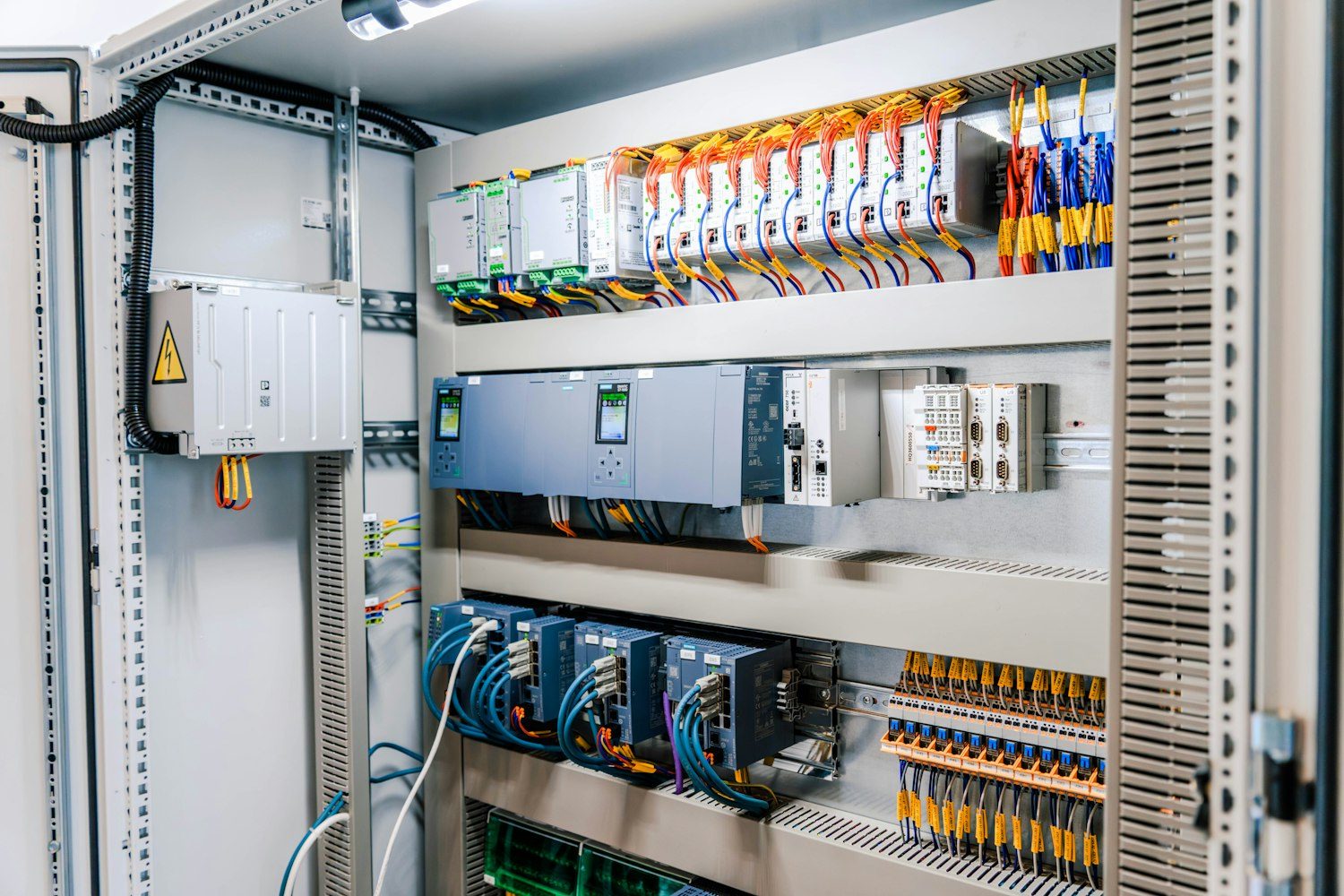
Working next to live equipment
Before mobilising to site we prepare a work execution plan: the order in which equipment is taken out of service, temporary supply to consumers, the limits of the zones personnel do not enter. The plan is agreed with the client’s electrical engineers and, where required, with the grid operator.
Switchovers are planned for windows in which a shutdown has the least impact on production, and the scope is divided so that the substation operates between the windows. Preparation, cabinet assembly and cable routing are carried out without an outage, so that the preparatory works are completed before the equipment is taken out of service.
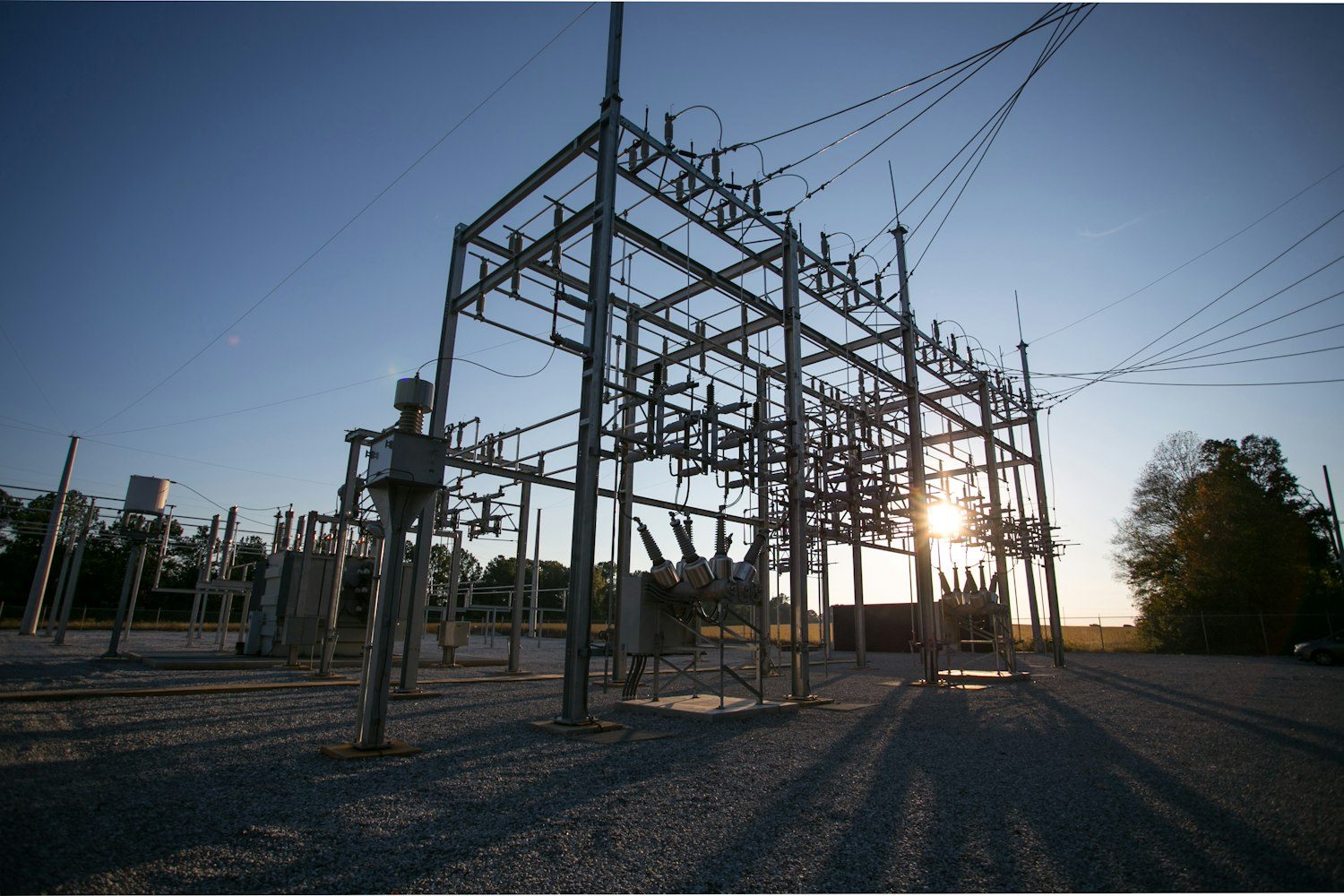
What we hand over after the works
The client receives a substation with confirmed parameters: test reports, protection settings, as-built documentation with the actual diagrams. These documents are required for day-to-day operation and for the next maintenance cycle.
We also carry out the building works that are usually outside the scope of electrical installation: repairs to the substation room, cable ducts and trays, the roof and the apron. These works are performed by our own crews within the same schedule.
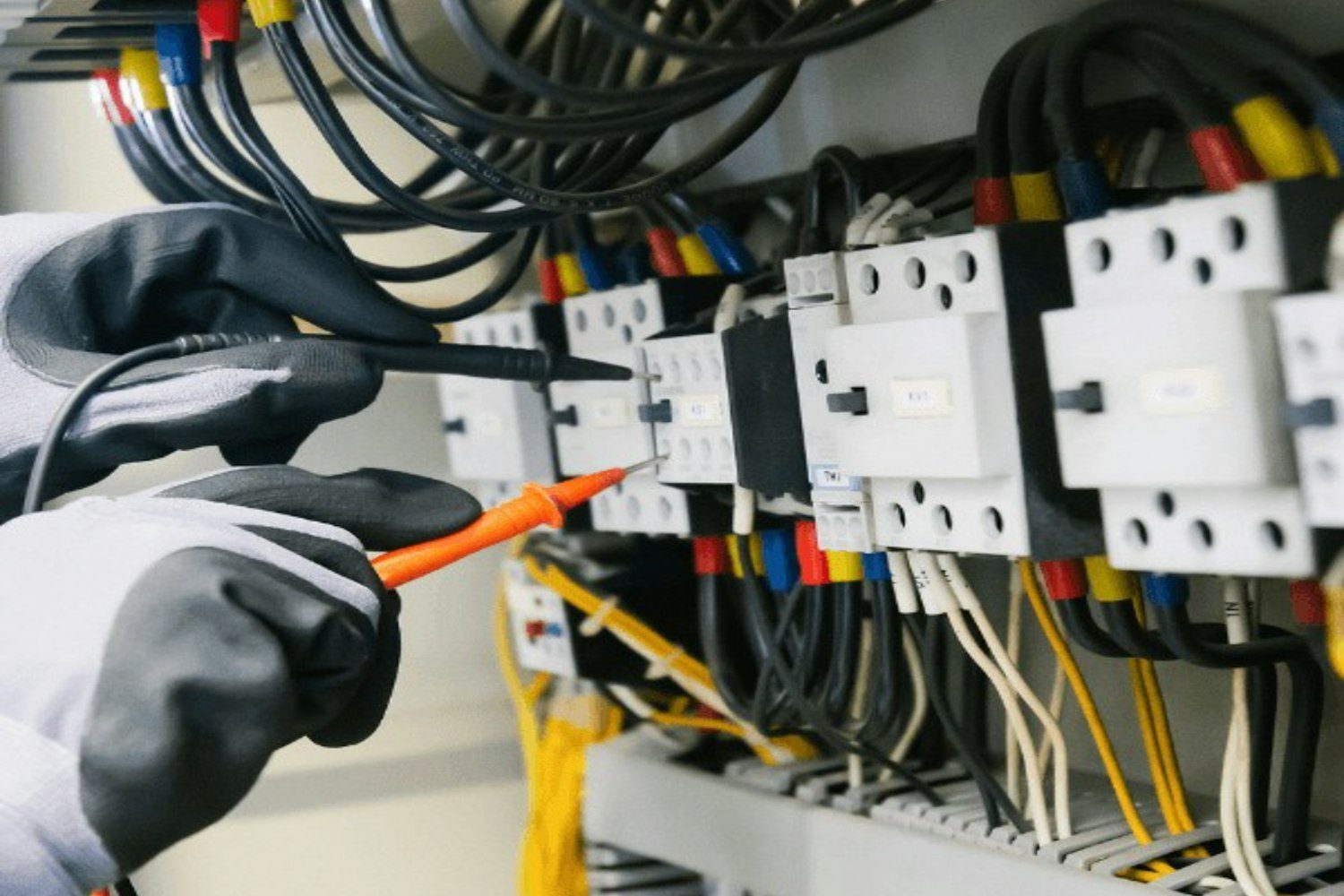
Example solutions
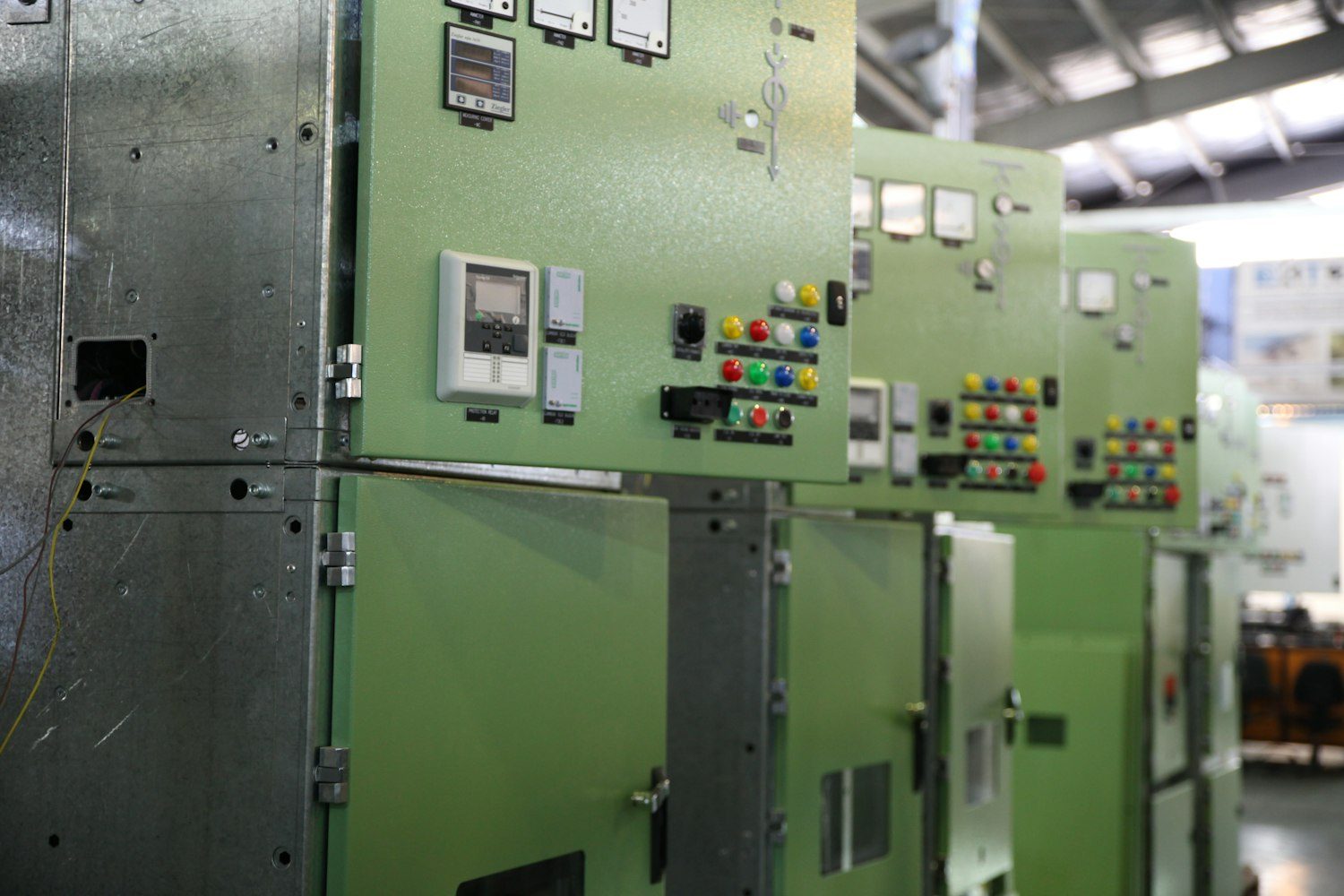
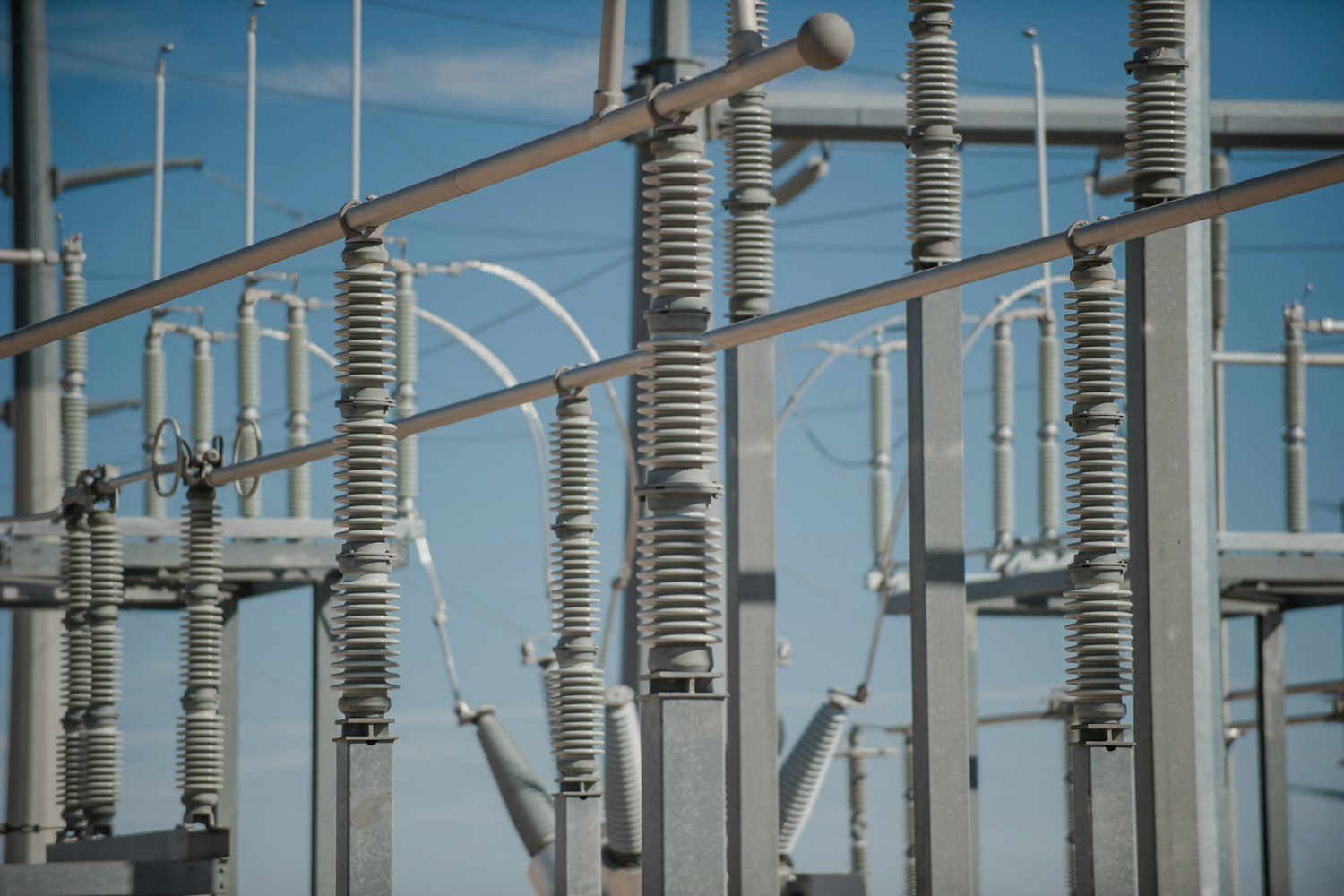
Typical facilities
- 01Distribution substations at industrial plants
- 02Equipment past its design service life
- 03Substations with protection on electromechanical relays
- 04Facilities with contact joints and busbars running hot
- 05Substations with frequent protection trips
- 06The substation room, cable ducts and roof
How we work
Survey
We assess equipment condition and the scope of work.
Design
We prepare repair and modernisation solutions.
Works
We replace equipment and upgrade the assemblies.
Start-up
Testing, tuning and putting into operation.
Frequently asked questions
How much does a substation repair cost?
A manager calculates the exact price after diagnostics and a survey. It depends on the condition of the equipment, the proportion of equipment to be replaced and to be repaired, the extent of relay protection, the outage arrangements and the building works. Indicative figures are not provided before the calculation; a single-line diagram and a description of the issues are required to define the scope of the survey.
Will there be an outage during the works?
A partial outage is required, as no work is carried out on live equipment; a full shutdown is rarely needed. Equipment is taken out of service section by section, and consumers are supplied from a standby feeder or a temporary arrangement. Outage windows are agreed with the client’s electrical engineers in advance.
Do you replace the protection relays?
Yes. Replacing obsolete protection relays with microprocessor terminals is a typical part of modernisation. With the replacement we do adjustment and testing and hand over the settings in the documentation. If the client wants to keep existing terminals, we replace only some of them.
How do we choose between repair and replacement?
On the basis of the survey. Repair is carried out if the main equipment is sound and only components and contacts are worn. Replacement is required if the service life is exhausted and a repair would only postpone the failure; a separate estimate is prepared for it.
Do you repair the substation building and cable ducts?
Yes. The room, roof, cable ducts and trays, apron and fencing are part of our building works and are carried out within one schedule with the work on the equipment. In older buildings this matters: water from the roof reaching the switchgear panels causes failures just as worn contacts do.
Send a request
Send a description of the task or the drawings and we will prepare a technical solution and a cost calculation.
Cost estimate for the works
Send us drawings or a technical specification and we will prepare a technical solution and a cost estimate.